


Get the latest price? We'll respond as soon as possible(within 12 hours) Fields marked with an asterisk * are required.

Blog
The Price of Shredder Machine
2026-04-14 17:17:15
Shredder machines are essential equipment in recycling, packaging, and waste management industries. The price of a shredder machine varies significantly depending on its type, capacity, and application. Understanding different shredder categories and pricing factors can help buyers choose the right equipment while balancing performance and cost.
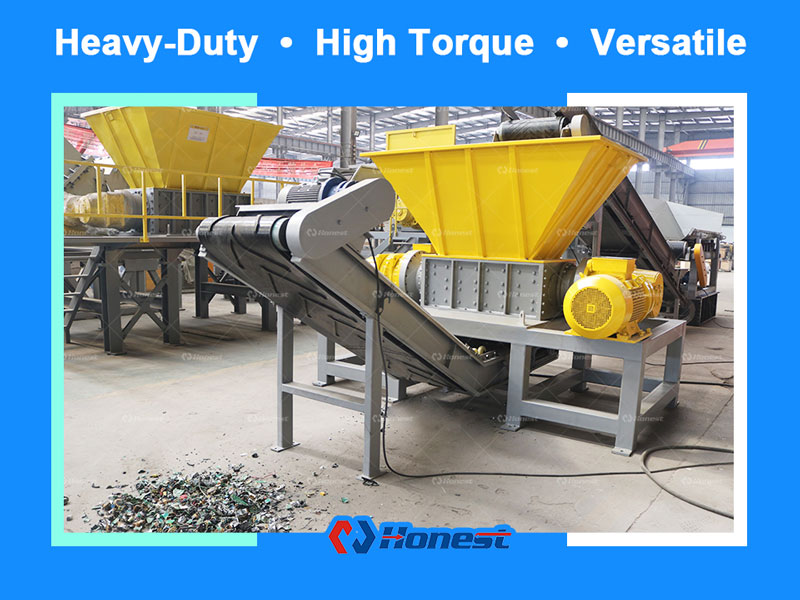
Shredder Machine Classification and Applications
Shredder machines can be divided into several types based on structure and application:
- Single Shaft Shredder
Designed for soft to medium materials such as plastic, paper, textiles, and wood. It offers uniform output size and is widely used in recycling plants. - Double Shaft Shredder
Suitable for heavy-duty materials like metal, tires, and electronic waste. It features strong tearing force and high durability. - Four Shaft Shredder
Used for precise size reduction and high-output applications, such as industrial waste and hazardous materials. - Paper Shredder (Office & Industrial)
Handles documents, cardboard, and packaging paper. For example, bonsaii Auto Feed Paper Shredder is suitable for office use, while Fellowes 485Ci Industrial Shredder is designed for heavy-duty operations. - Specialized Shredders
Include metal shredders, plastic shredders, and garden shredders such as Bosch AXT Rapid 2000 Garden Shredder, used for organic waste.
Shredder Machine Price Range
The price of shredder machines varies depending on size and function:
| Type | Price Range |
|---|---|
| Small office shredder | $100 – $500 |
| Commercial paper shredder | $500 – $3,000 |
| Industrial shredder (plastic/metal) | $5,000 – $50,000+ |
| Large recycling shredder line | $50,000 – $500,000+ |
For example:
- Iris Ohyama AFS210C Shredder is priced around mid-range office level.
- Sanwa Auto Feed 550 Sheets Shredder represents high-end commercial equipment.
Key Factors Affecting Shredder Machine Price
Several factors determine the final cost of a shredder machine:
- Processing Capacity
Higher throughput (kg/h or tons/h) leads to higher prices. - Motor Power and Torque
Industrial shredders require powerful motors, increasing cost. - Blade Material and Design
High-quality alloy steel blades improve durability but raise price. - Automation Level
Features like automatic feeding, PLC control, and intelligent monitoring increase investment. - Material Compatibility
Machines designed for metal or e-waste are more expensive than those for paper or plastic. - Brand and Manufacturing Quality
Well-known brands and advanced manufacturing processes typically cost more but offer better reliability.
Impact of Price on Machine Quality
Price often reflects the quality and performance of a shredder machine:
- Low-cost machines
- Suitable for light-duty applications
- Lower durability and shorter lifespan
- Limited capacity and features
- Mid-range machines
- Balanced performance and cost
- Suitable for small businesses and recycling workshops
- High-end industrial machines
- Strong structure and long service life
- High efficiency and continuous operation
- Advanced safety and automation systems
Investing in a higher-quality shredder can reduce maintenance costs, downtime, and long-term operational risks.
The price of a shredder machine depends on its type, capacity, and technical configuration. From small office units to large industrial recycling systems, each category serves different materials and applications. Businesses should evaluate their processing needs, budget, and long-term operational goals before making a purchase. Choosing the right shredder not only improves efficiency but also ensures sustainable and cost-effective waste management.