


Get the latest price? We'll respond as soon as possible(within 12 hours) Fields marked with an asterisk * are required.

Blog
Scrap Plastic Shredder for Recycling
2026-04-22 16:58:11
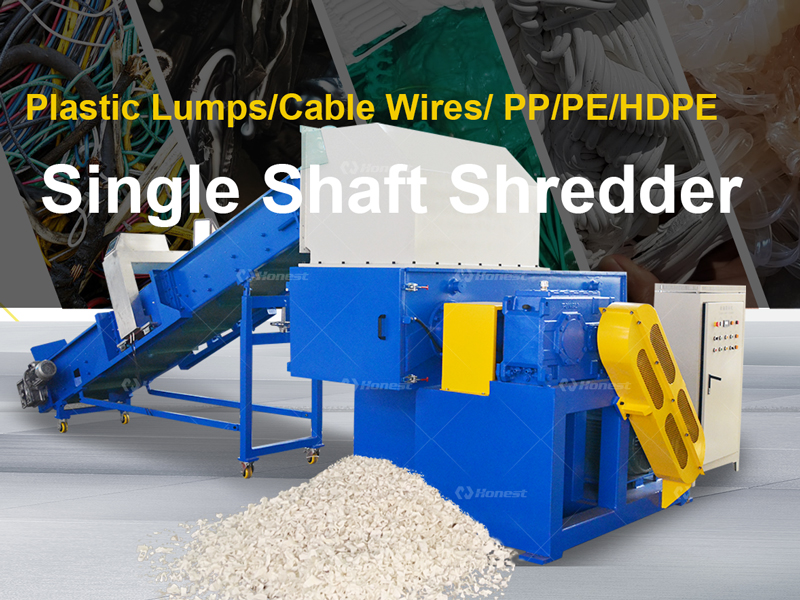
With the rapid growth of plastic consumption, recycling has become essential for environmental protection and resource efficiency. scrap plastic shredder for recycling plays a critical role in reducing plastic waste volume and preparing materials for reuse.
1. Types of Scrap Plastic in Recycling
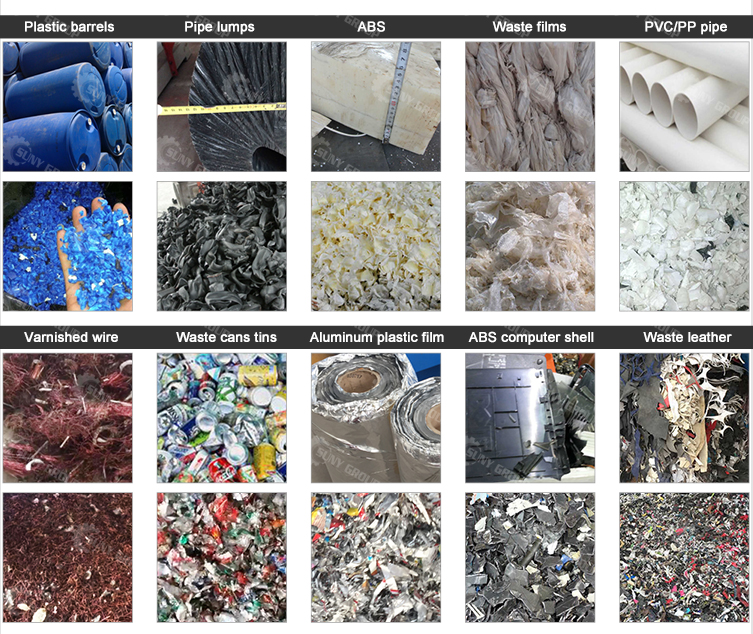
Scrap plastic comes from various industries and post-consumer waste streams. Common categories include:
- Rigid plastics:
- HDPE (containers, drums, bottles)
- PP (buckets, crates, automotive parts)
- Flexible plastics:
- LDPE films, plastic bags, packaging films
- Engineering plastics:
- ABS (electronics housings)
- PC (automotive and industrial parts)
- Mixed plastic waste:
- Municipal solid waste plastics
- Multi-layer packaging materials
Understanding material type is crucial for selecting the right shredder.
2. How to Choose a Scrap Plastic Shredder
Selecting the appropriate shredder depends on multiple factors:
Key Considerations
- Material hardness and thickness: Rigid plastics require high-torque shredders
- Feed size: Large items need wide feed openings
- Output size requirement: Determines blade design and screen size
- Processing capacity: Measured in kg/h or tons/day
- Automation level: Manual vs. fully automated systems
Recommended Shredder Types
- Single-shaft shredder: Ideal for uniform output and medium-hard plastics
- Double-shaft shredder: Suitable for bulky and mixed plastics
- Four-shaft shredder: Best for precise size control and high efficiency
3. Structure of a Scrap Plastic Shredder
A typical scrap plastic shredder consists of the following components:
- Feeding System
- Conveyor or hopper for material input
- Shredding Chamber
- High-strength blades mounted on rotating shafts
- Designed for cutting, tearing, and shearing
- Drive System
- Electric motor with gearbox for high torque
- Screen System
- Controls output particle size
- Control System
- PLC automation for safe and efficient operation
- Auxiliary Equipment
- Dust collector
- Cooling system (optional)
4. How the Shredding Process Works
The shredding process involves multiple mechanical actions:
- Feeding: Scrap plastic enters the shredding chamber
- Cutting & Shearing: Rotating blades tear and cut materials
- Crushing: Material is reduced to smaller pieces
- Screening: Only particles meeting size requirements pass through
This process ensures efficient size reduction and prepares plastics for further recycling steps like washing and pelletizing.
5. Shredded Plastic Output and Applications
Output Characteristics
- Uniform flakes or strips
- Reduced volume for easy transport
- Clean and consistent particle size
Applications of Shredded Plastic
- Reprocessing into pellets for manufacturing
- Injection molding and extrusion products
- Plastic lumber and construction materials
- Energy recovery (RDF fuel)
6. Advantages of Scrap Plastic Shredders
- Improves recycling efficiency
- Reduces transportation and storage costs
- Enables high-quality downstream processing
- Supports environmental sustainability
Scrap plastic shredder for recycling is an essential machine for modern waste management. By understanding plastic types, choosing the right shredder, and optimizing the shredding process, businesses can achieve efficient recycling and maximize material value. Investing in the right shredding solution not only reduces environmental impact but also creates strong economic returns in the recycling industry.