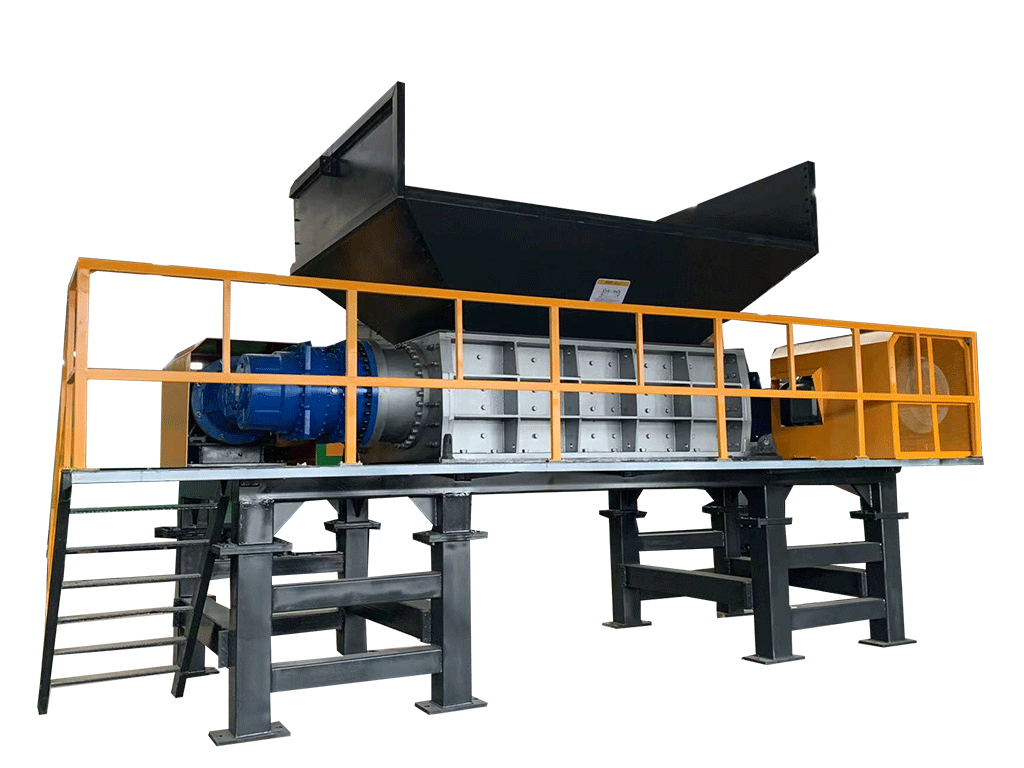
Get the latest price? We'll respond as soon as possible(within 12 hours) Fields marked with an asterisk * are required.

shredders for waste textile
Video
Description
Waste textile shredders are designed to process old clothes, fabric scraps, carpets, cotton, and industrial textile waste into smaller recyclable materials. These machines provide high shredding efficiency, stable performance, and low energy consumption. Different shredder models can handle soft or hard textile materials with uniform output size. The shredded textile materials can be reused in non-woven fabric production, insulation, fuel pellets, and fiber recycling industries. Textile shredders help reduce landfill waste, improve recycling efficiency, and create higher economic value from waste textile recycling.
Product Details
Waste textile materials are increasing rapidly around the world due to fast fashion, garment manufacturing waste, used carpets, old clothes, industrial fabric scraps, and household textile products. Large amounts of cotton, polyester, denim, leather, and mixed fabrics are discarded every year. Recycling these materials helps reduce landfill pollution and supports sustainable resource recovery.
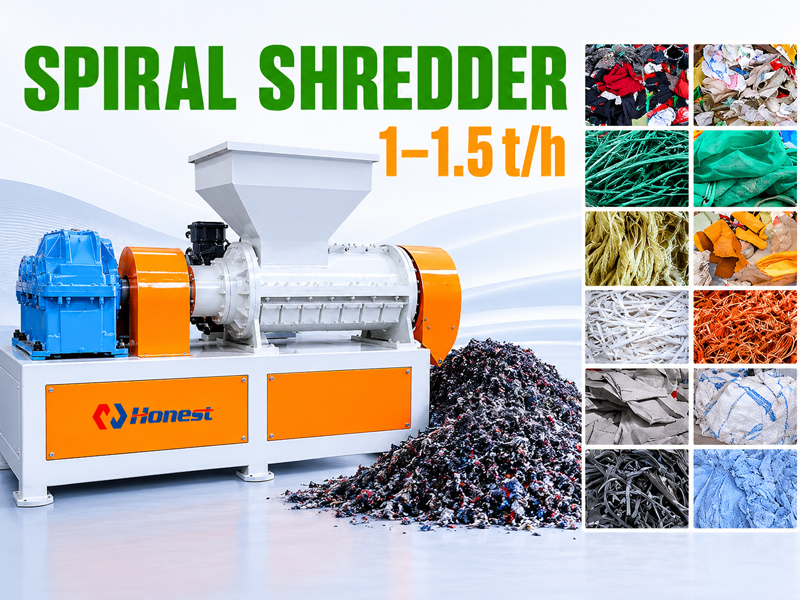
Textile shredders are designed to cut and tear waste fabrics into smaller sizes for recycling or reuse. Common textile waste sources include garment factories, spinning mills, hotels, hospitals, recycling centers, and used clothing collection stations. After shredding, the materials can be used for insulation, filling materials, fuel pellets, non-woven fabrics, and regenerated fibers.
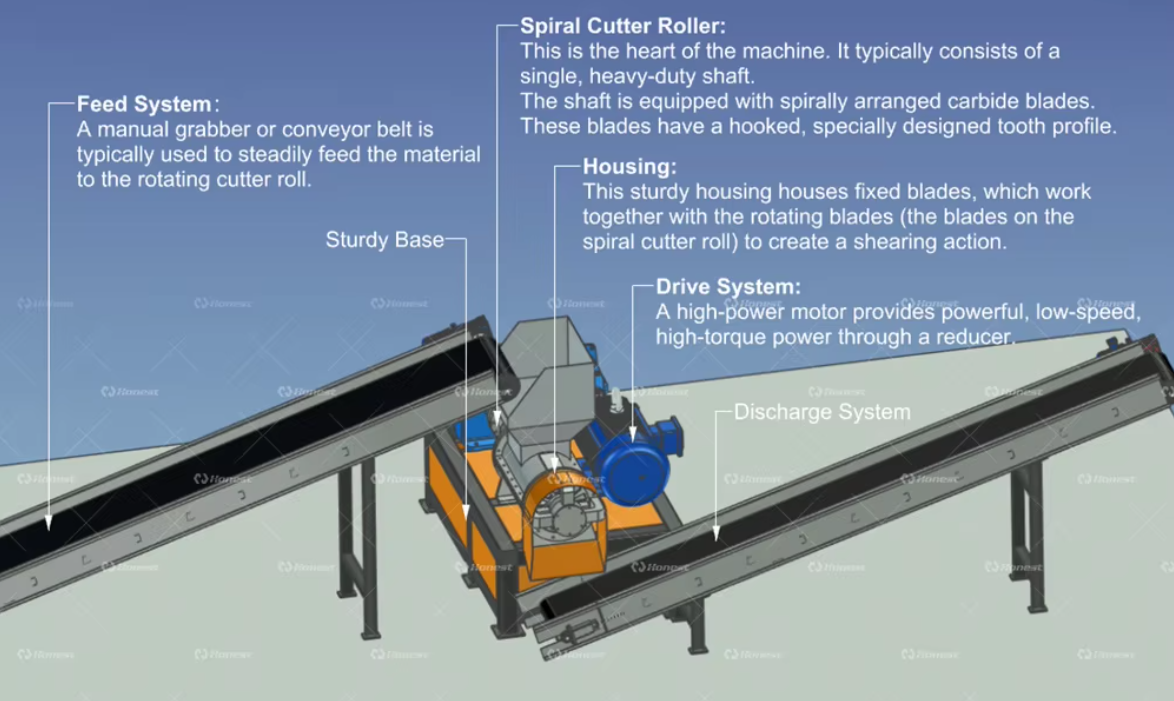
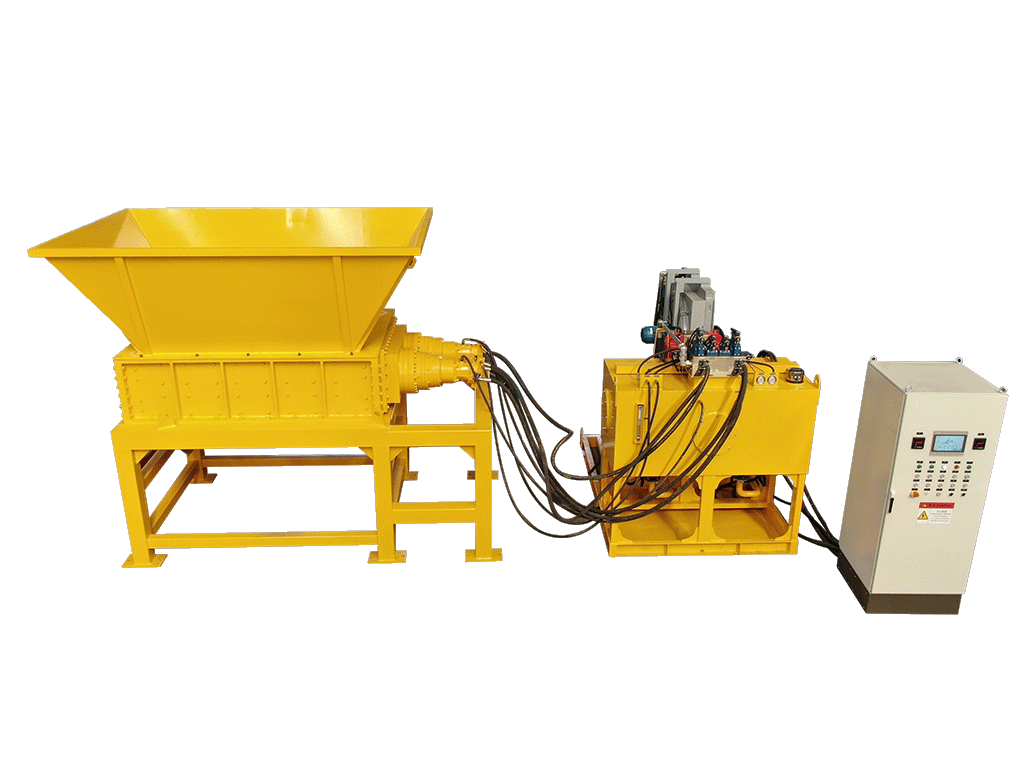
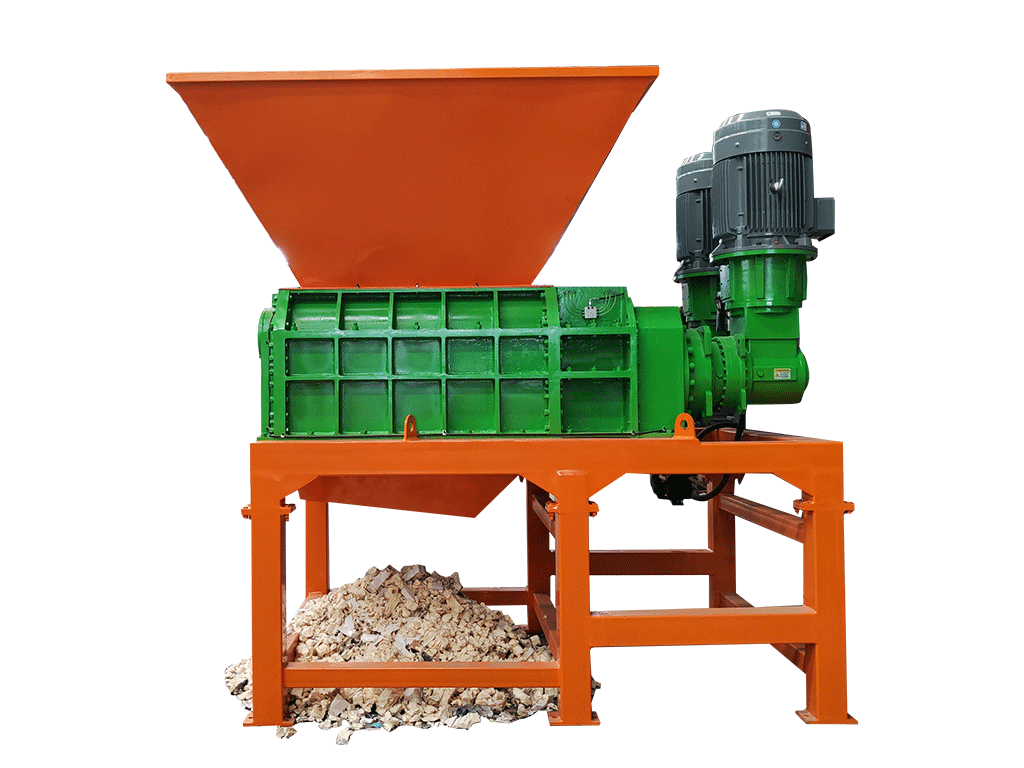
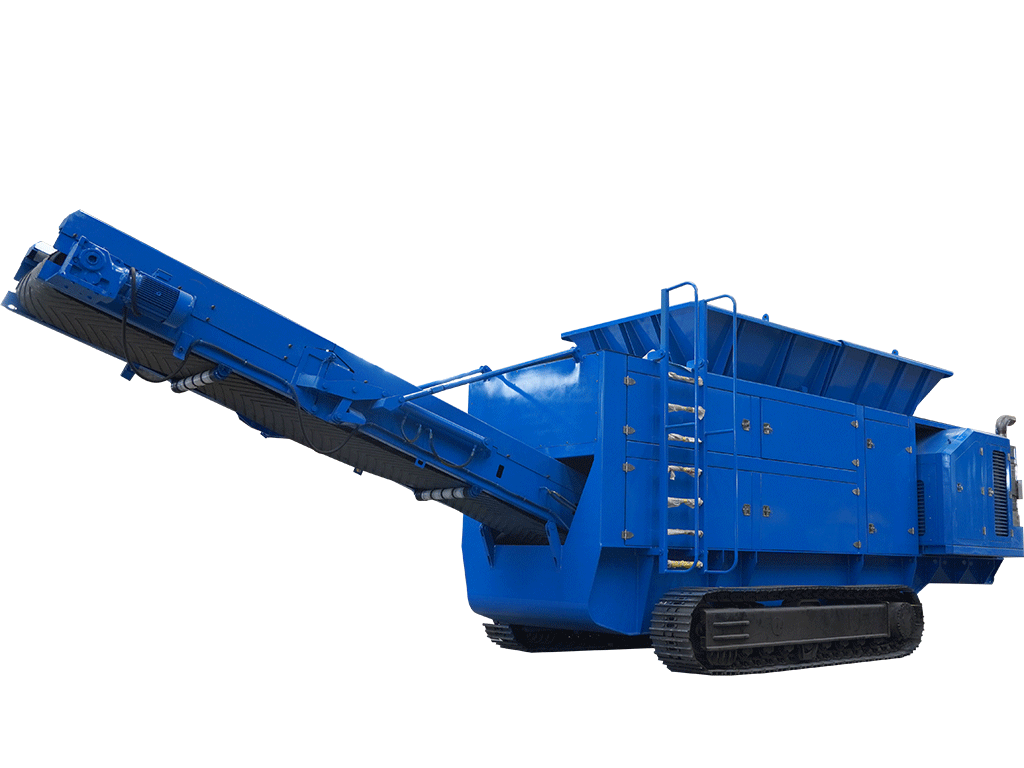
Choosing the right textile shredder depends on the material type, moisture level, output size, and production capacity. For soft fabrics, a single-shaft shredder is suitable for uniform particle size. For heavy materials such as carpets, leather, or thick industrial textiles, a double-shaft shredder provides stronger cutting force and higher durability. Buyers should also consider motor power, blade quality, automation level, and maintenance cost.
Modern waste textile shredders offer many advantages. They provide high efficiency, low noise, stable operation, and reduced labor costs. Advanced shredders are equipped with wear-resistant blades and intelligent control systems for continuous operation. By using a high-quality textile shredder, recycling companies can improve material recovery efficiency and create more value from textile waste recycling.
Equipment Structure