Get the latest price? We'll respond as soon as possible(within 12 hours) Fields marked with an asterisk * are required.

Scrap Metal Debris Shredding Crushing Line
Video
Description
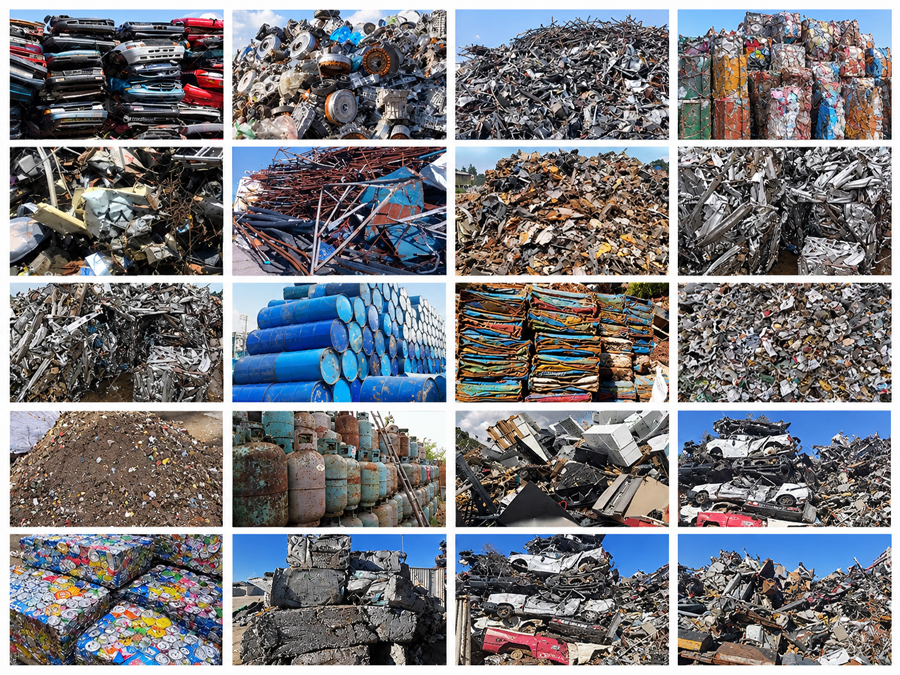
Scrap Metal Debris Shredding Crushing Line is an integrated recycling system designed to process bulky and mixed metal waste into smaller, more manageable particles. It can handle scrap steel, aluminum pieces, metal profiles, discarded equipment, and various metal debris. The line combines shredding, crushing, screening, and separation processes to improve material recovery and prepare valuable metals for further processing.
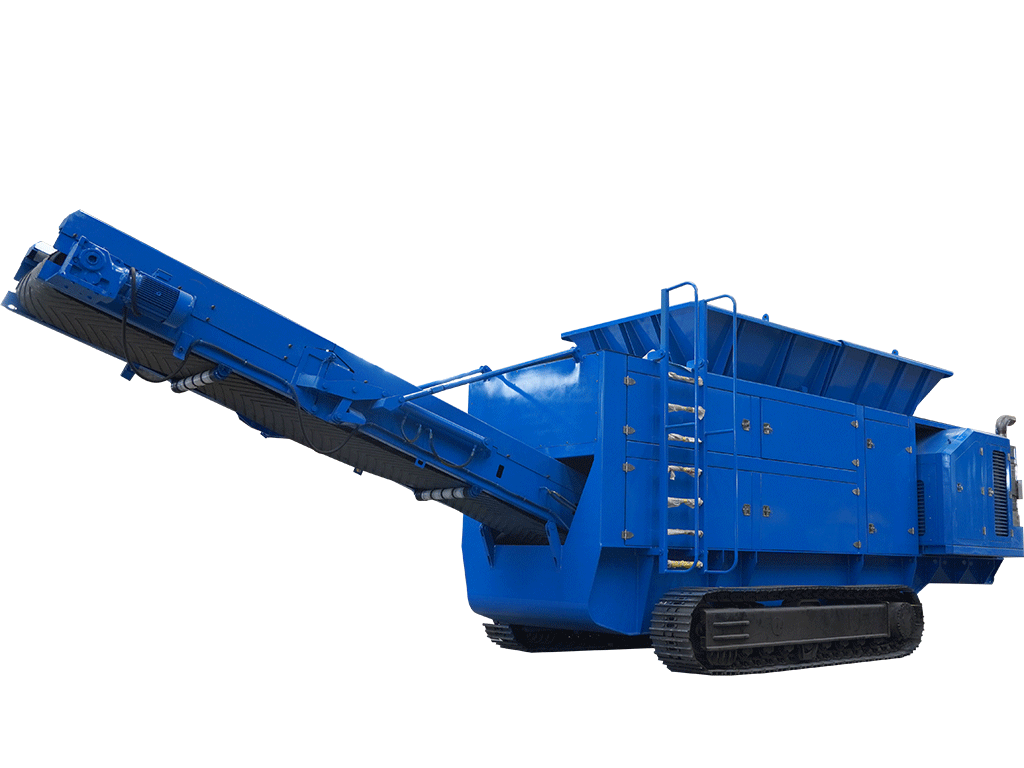
Depending on the incoming scrap and required output size, the equipment configuration can be customized with different shredders, crushers, magnetic separators, and sorting units. During operation, oversized metal debris is first reduced in size, then crushed and separated to remove unwanted materials. The resulting recyclable metal is cleaner, more uniform, and easier to transport, melt, or sell. This line helps recycling businesses increase processing efficiency while reducing manual handling and maximizing the recovery value of scrap metal.
Product Details
The Scrap Metal Debris Shredding Crushing Line starts with feeding and preliminary sorting. Scrap metal debris is collected and delivered to the feeding system by conveyor, loader, or other suitable equipment. Large impurities, non-metallic materials, and oversized objects can be removed during this stage. According to the type, size, and thickness of the incoming scrap, a suitable feeding and pre-processing system is selected to ensure a stable material flow into the shredding section.
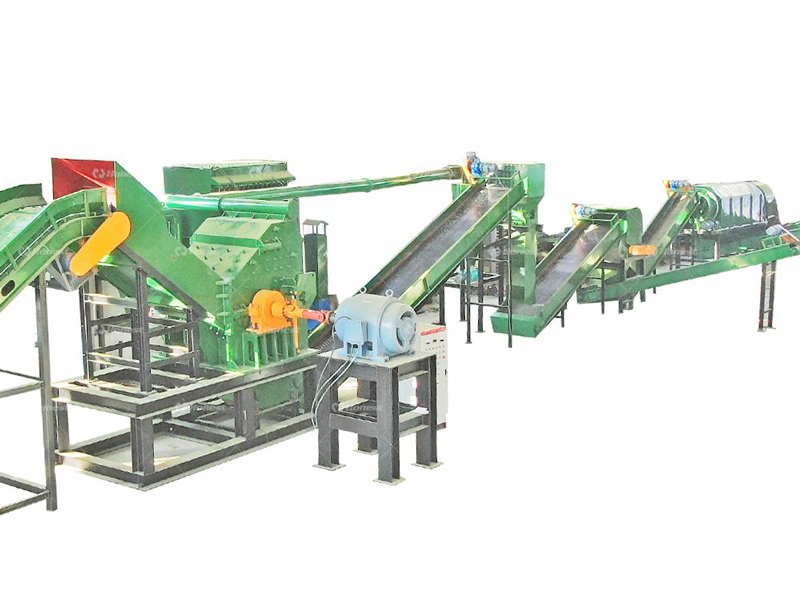
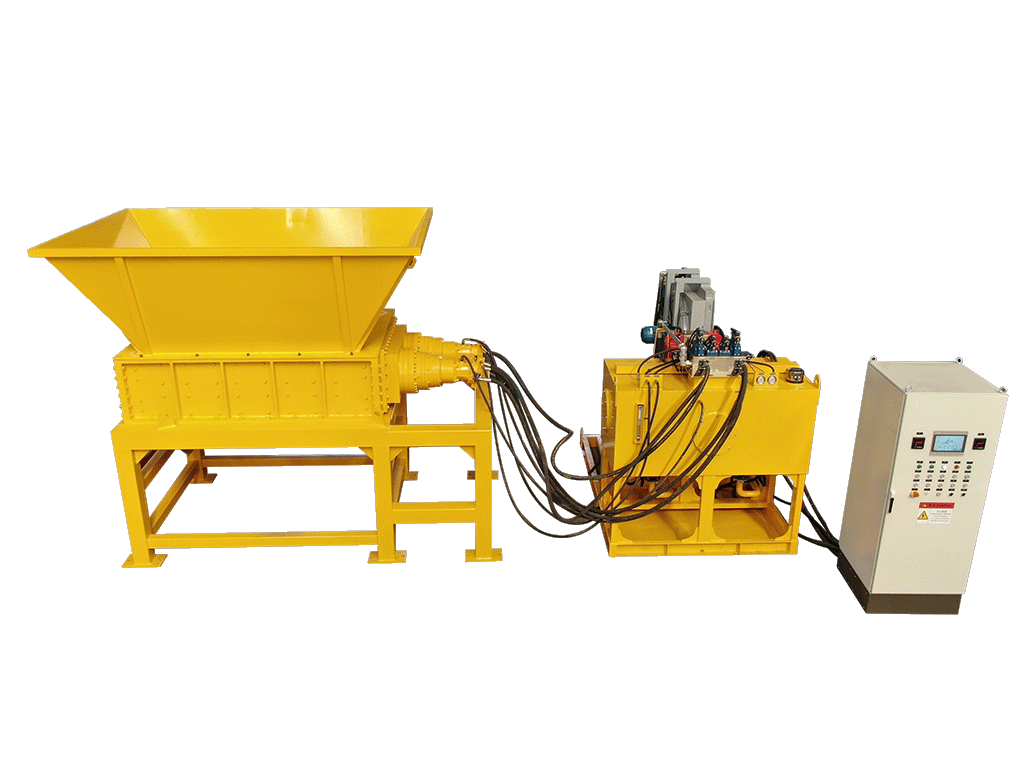
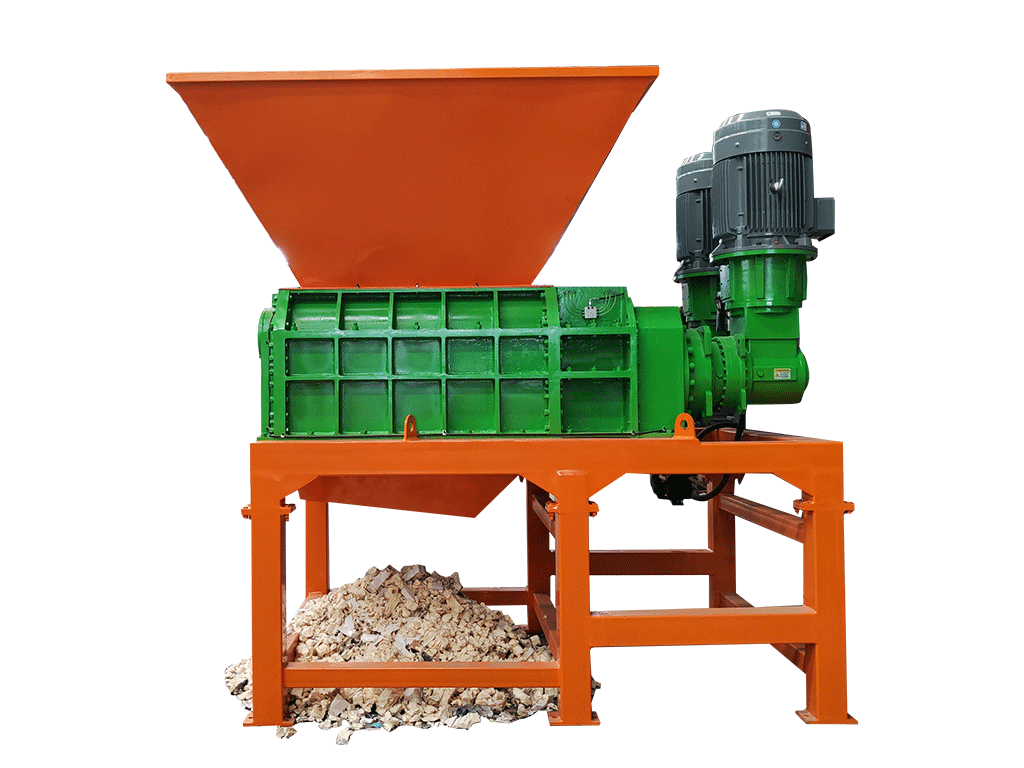
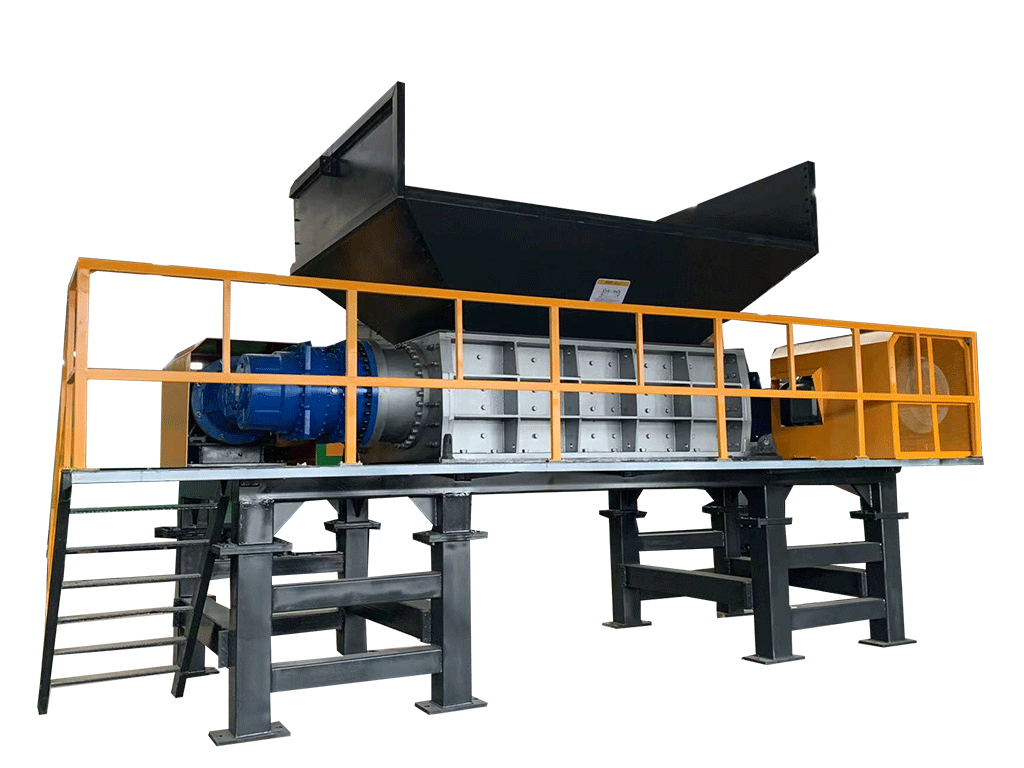
The first size-reduction stage uses a heavy-duty metal shredder to tear bulky scrap into smaller pieces. The shredder applies strong shearing and compression forces to break irregular metal debris into relatively uniform fragments. This process reduces the overall volume of the scrap and makes difficult-to-handle materials easier to process. For particularly large or thick metal pieces, a pre-shredder or hydraulic cutting system can be added before the main shredder.
After shredding, the material enters the crushing stage for further size reduction. A hammer crusher, impact crusher, or other suitable crusher can be configured according to the required final particle size and material characteristics. The crushed scrap is then conveyed to a screening unit, where particles are classified according to size. Oversized pieces can be returned to the crusher for secondary crushing, creating a continuous closed-loop crushing process and improving product consistency.
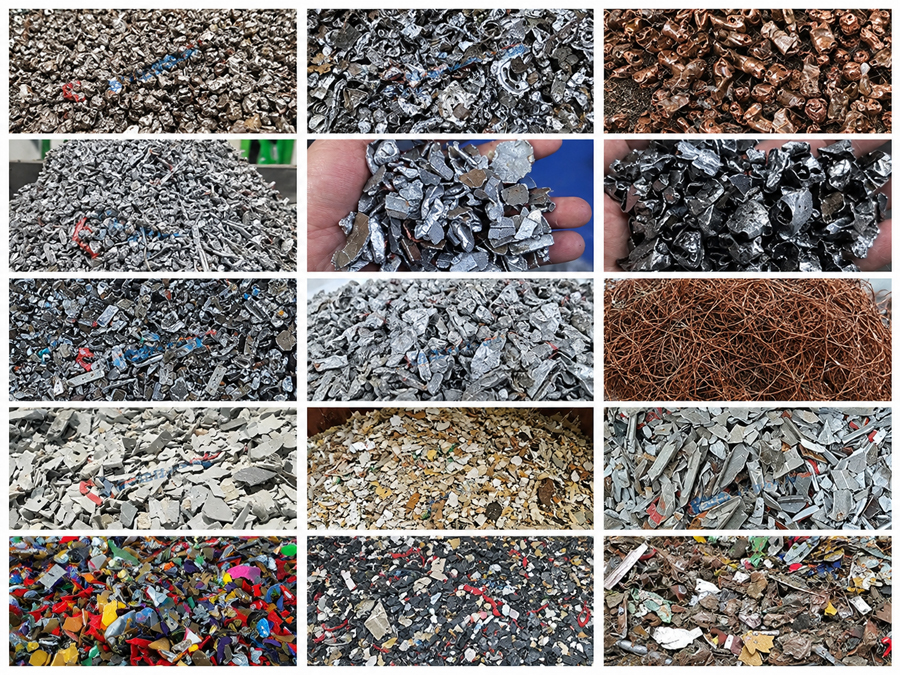
The final stage focuses on metal separation and collection. Crushed material passes through magnetic separators to recover ferrous metals, while eddy-current or other sorting equipment can be incorporated when aluminum and other non-ferrous metals need to be separated. Dust removal equipment can also be installed to improve the working environment. After sorting, different metal fractions are collected separately and can be sent for melting, remanufacturing, or further recycling. This complete process—feeding, shredding, crushing, screening, separation, and collection—turns mixed metal debris into valuable recyclable resources.