


Get the latest price? We'll respond as soon as possible(within 12 hours) Fields marked with an asterisk * are required.

Blog
Scrap Metal Crushing Plant
2026-05-14 17:23:18
Scrap metal refers to discarded metal materials generated from industries, construction sites, vehicles, appliances, and daily consumer products. With the rapid growth of manufacturing and urbanization, millions of tons of scrap metal are produced every year worldwide. Recycling these metals not only saves natural resources but also reduces environmental pollution and energy consumption.
Common types of scrap metal include:
- Steel scrap
- Aluminum scrap
- Copper wire and cable
- Iron drums and steel cans
- Car bodies and engine parts
- Waste appliances
- Stainless steel scrap
- Metal chips and turnings
- Used beverage cans
Different metals have different recycling values, but most require crushing or shredding before further separation and refining.
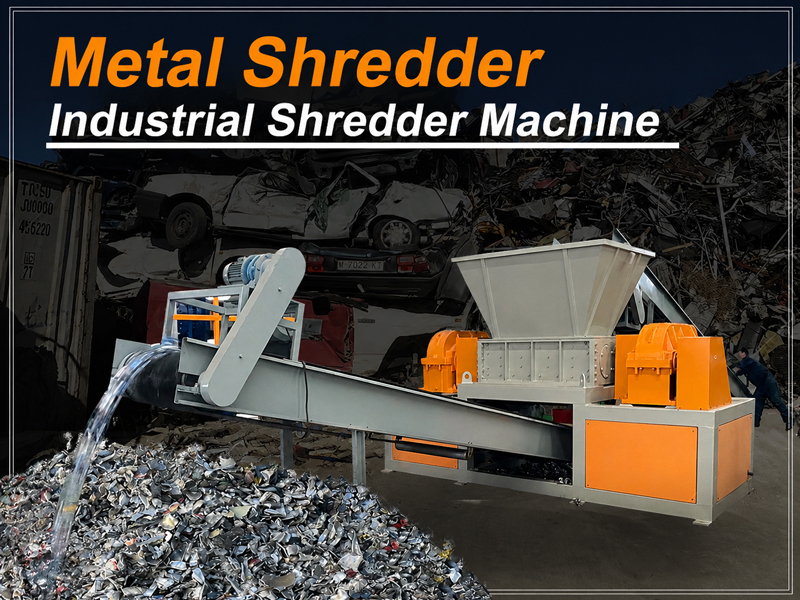
Why Is Scrap Metal Crushing Necessary?
Large scrap metal materials are difficult to transport, separate, and melt directly. A scrap metal crushing plant helps reduce the size of metal waste and improves recycling efficiency.
Main reasons for crushing scrap metal:
1. Reduce Transportation Costs
Crushed metal occupies less space, making transportation and storage more efficient.
2. Improve Smelting Efficiency
Smaller metal pieces melt faster and more evenly in steel mills and foundries.
3. Increase Metal Purity
After crushing, magnetic separators and sorting systems can remove impurities such as plastic, rubber, and dust.
4. Enhance Recycling Value
Well-processed scrap metal has higher market value and is easier to sell to recycling companies.
5. Environmental Protection
Metal recycling reduces landfill waste and decreases mining activities, helping protect the environment.
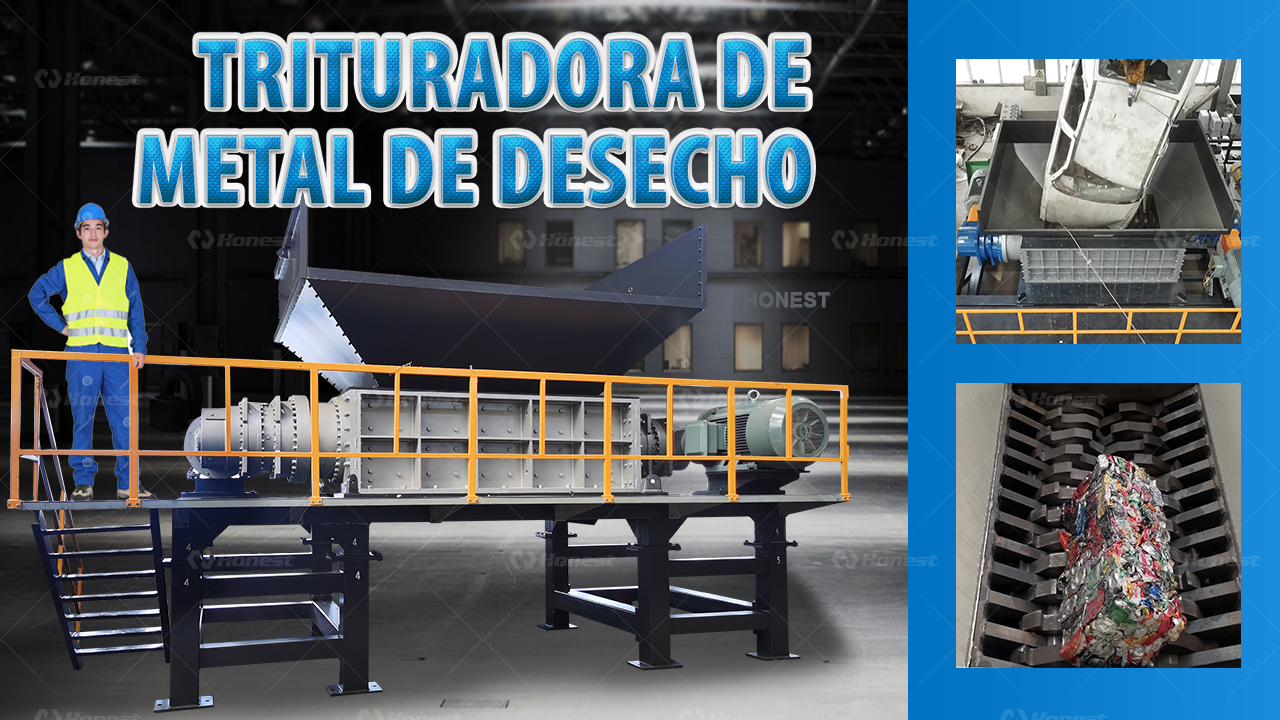
Scrap Metal Crushing Plant Configuration
A complete scrap metal crushing plant usually includes several machines working together automatically. The configuration depends on the material type, capacity, and final output requirements.
Typical equipment in a scrap metal crushing plant includes:
1. Feeding Conveyor
The conveyor transports scrap metal materials into the crusher evenly and continuously.
2. Metal Crusher or Shredder
This is the core machine of the plant. It crushes large metal waste into smaller particles using high-torque blades or hammers.
Common crusher types:
- Double shaft shredder
- Hammer metal crusher
- Vertical crusher
- Hydraulic metal baler crusher
3. Magnetic Separator
The magnetic separator separates ferrous metals such as iron and steel from non-ferrous materials.
4. Eddy Current Separator
Used for separating non-ferrous metals like aluminum and copper from mixed materials.
5. Vibrating Screen
Screens materials into different sizes for further processing.
6. Dust Collection System
Reduces dust pollution and improves the working environment.
7. Discharge Conveyor
Transfers finished materials to storage areas or packing systems.
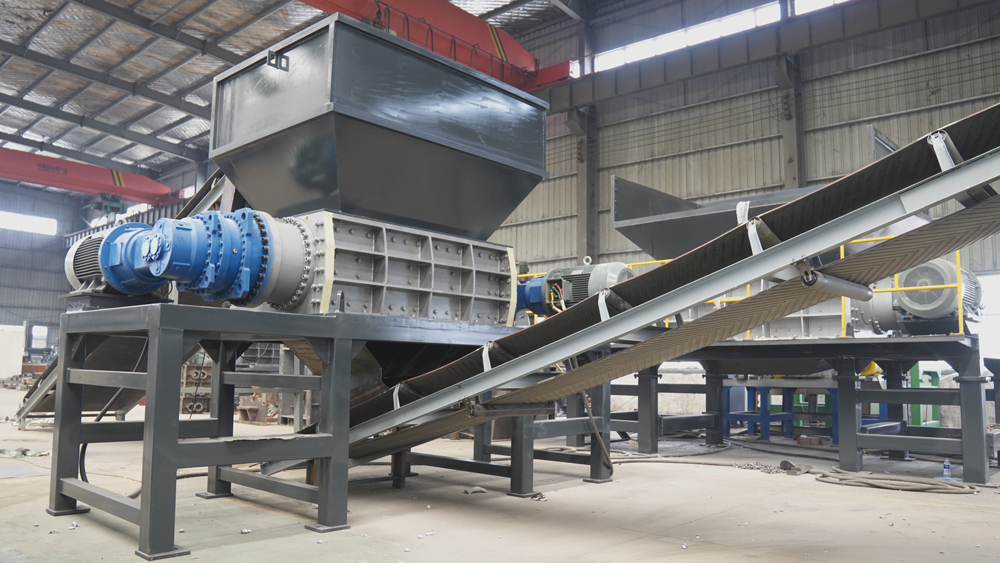
Advantages of a Scrap Metal Crushing Plant
A modern scrap metal crushing plant offers many benefits:
- High crushing efficiency
- Fully automatic operation
- Low labor cost
- Energy-saving design
- Stable performance
- Easy maintenance
- Wide application range
- High recycling profit
These systems can process various metal materials including car shells, steel drums, aluminum profiles, waste bicycles, and household appliances.
Applications of Crushed Scrap Metal
After crushing and separation, recycled metals can be reused in many industries.
Recycled Steel
Used in:
- Construction industry
- Steel manufacturing
- Machinery production
Recycled Aluminum
Used in:
- Automotive parts
- Beverage cans
- Aerospace industry
Recycled Copper
Used in:
- Electrical cables
- Electronics manufacturing
- Power equipment
Metal Powder and Chips
Used in:
- Foundries
- Powder metallurgy
- Industrial casting
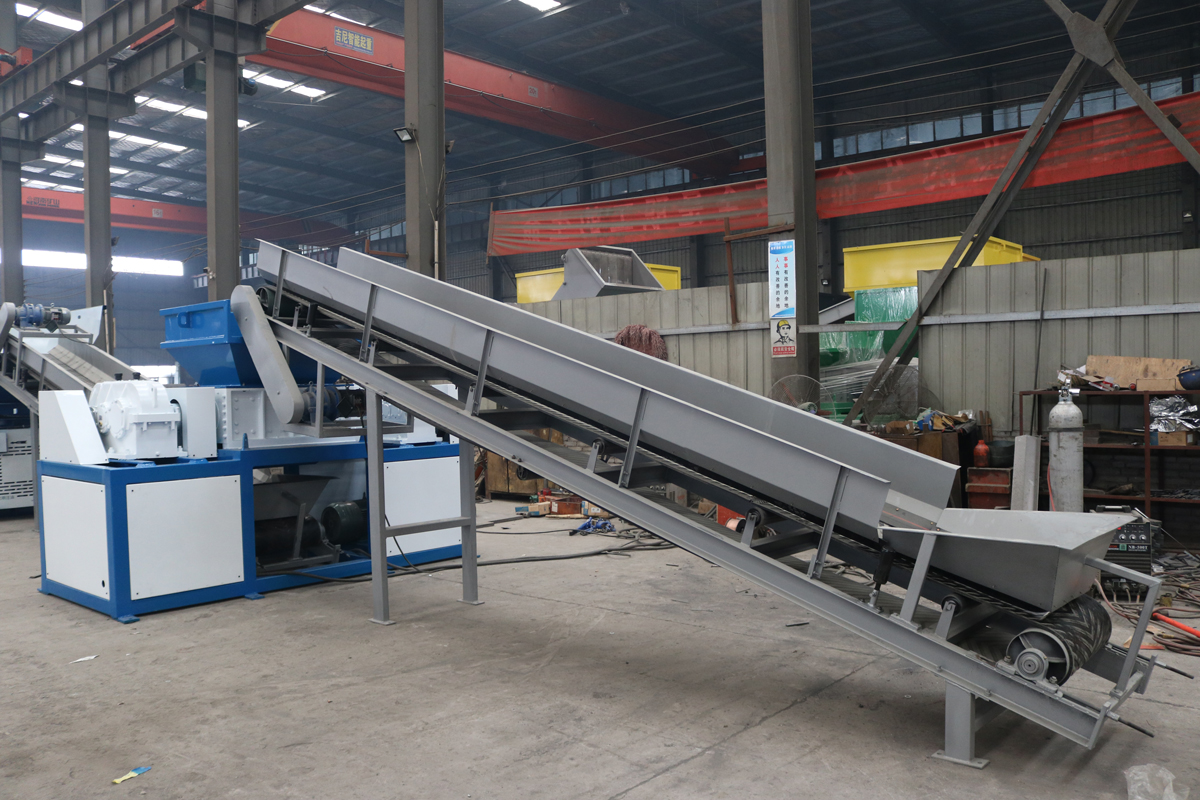
How to Choose the Right Scrap Metal Crushing Plant
When selecting a scrap metal crushing plant, consider the following factors:
- Raw material type
- Production capacity
- Final output size
- Automation level
- Energy consumption
- Maintenance requirements
- Budget and installation space
A reliable recycling equipment manufacturer can customize the crushing plant according to your recycling needs.
Scrap metal crushing plant is an essential solution for modern metal recycling businesses. By crushing, separating, and recycling waste metals efficiently, companies can increase profits while supporting environmental sustainability. With the growing demand for recycled metals worldwide, investing in a high-quality scrap metal crushing plant is becoming an increasingly profitable and eco-friendly business opportunity.