


Get the latest price? We'll respond as soon as possible(within 12 hours) Fields marked with an asterisk * are required.

Blog
How Much Is an Industrial Shredder
2026-10-12 18:16:14
With the increasing demand for waste recycling and resource recovery, many businesses are asking “How much is an industrial shredder?” An industrial shredder is a heavy-duty recycling machine designed to reduce large and difficult-to-process materials into smaller pieces. It plays an important role in industries such as plastic recycling, metal recycling, tire recycling, electronic waste treatment, and municipal waste management. The price of an industrial shredder depends on many factors, including machine type, processing capacity, material characteristics, and customization requirements.
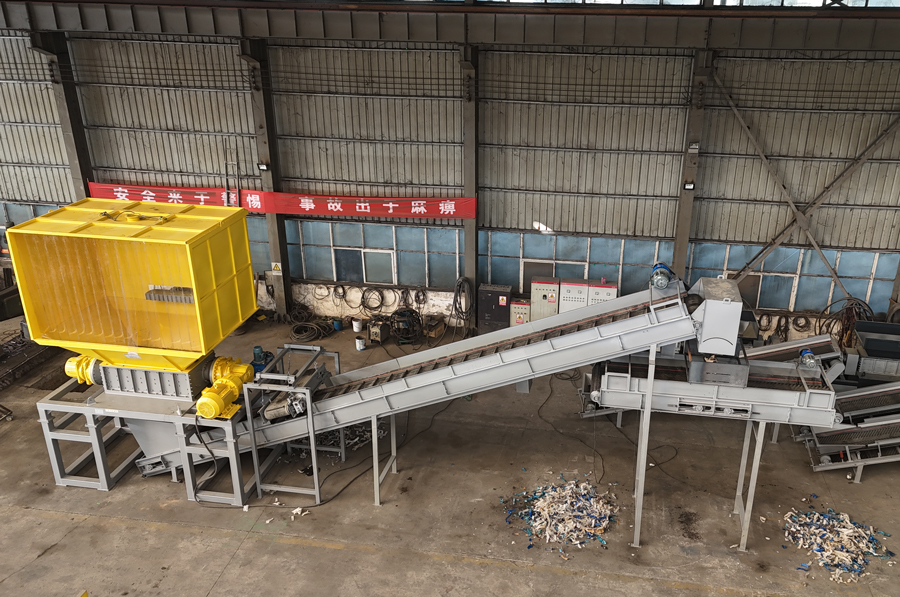
What Is an Industrial Shredder?
An industrial shredder is a powerful size-reduction machine that uses rotating blades or cutters to tear, cut, and shred waste materials into smaller sizes. Compared with ordinary shredders, industrial shredders are designed for continuous operation, high-volume processing, and demanding industrial environments.
According to different applications, industrial shredders are commonly divided into:
- Single Shaft Industrial Shredder
A single shaft shredder uses a rotating rotor and hydraulic pushing system to process materials into uniform sizes. It is suitable for plastics, films, cables, and electronic waste. - Double Shaft Industrial Shredder
A double shaft shredder uses two counter-rotating shafts to provide strong tearing force. It is widely used for bulky waste, tires, metal scrap, and household waste. - Four Shaft Industrial Shredder
A four shaft shredder provides better control of output size and is suitable for complex recycling applications requiring more precise shredding. - Heavy Duty Industrial Shredder
Heavy-duty shredders are designed for large-scale recycling projects and can handle extremely hard materials with high production requirements.
What Materials Can an Industrial Shredder Process?
Industrial shredders have a wide range of applications because of their strong cutting ability. Common processing materials include:
1. Plastic Waste
Industrial shredders are widely used in plastic recycling plants to process:
- Plastic pipes
- Plastic containers
- Plastic films
- PP and PE waste
- Injection molding waste
After shredding, plastics can enter washing, sorting, and pelletizing processes for reuse.
2. Waste Tires and Rubber
Waste tires are difficult to dispose of because of their strong structure and durability. Industrial shredders can break tires into smaller rubber pieces for:
- Rubber granulation
- Tire-derived fuel production
- Rubber recycling
3. Metal Scrap
Industrial shredders can process various metal materials, including:
- Aluminum scrap
- Copper cables
- Steel waste
- Automobile scrap
Shredding helps separate valuable metals and improves recovery efficiency.
4. Electronic Waste
E-waste recycling facilities use industrial shredders to process:
- Circuit boards
- Computers
- Electrical appliances
- Battery-related materials
The shredded materials can then be separated to recover valuable metals.
5. Other Waste Materials
Industrial shredders are also suitable for:
- Wood pallets
- Paper waste
- Cardboard
- Textiles
- Construction waste
- Municipal solid waste
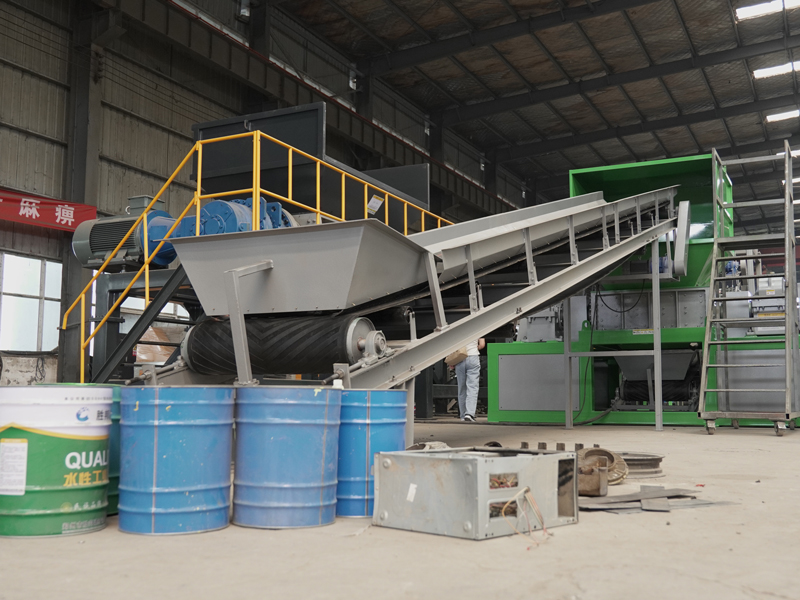
Who Needs to Buy an Industrial Shredder?
An industrial shredder is mainly suitable for customers who need large-scale waste reduction and recycling.
1. Recycling Companies
Recycling companies are the main users of industrial shredders. They process different waste materials and convert them into reusable resources, creating additional economic value.
2. Waste Treatment Plants
Municipal waste management companies use industrial shredders to reduce waste volume and improve transportation and disposal efficiency.
3. Manufacturing Factories
Factories producing plastics, cables, packaging materials, or electronic products generate large amounts of production waste. An industrial shredder helps them recycle waste internally and reduce disposal costs.
4. Scrap Metal Dealers
Scrap yards can use shredders to process vehicles, cables, and metal waste, improving material separation and increasing profits.
5. Large Industrial Projects
Industries such as construction, automotive, and renewable energy may require industrial shredders for processing special waste materials.
Advantages and Features of Industrial Shredder
1. High Processing Capacity
Industrial shredders are designed for continuous heavy-duty operation and can process large amounts of waste materials per hour.
2. Strong Cutting Force
The high-torque low-speed cutting system provides powerful shredding performance, allowing the machine to handle tough materials.
3. Wide Material Compatibility
By adjusting blade design, motor power, and machine structure, industrial shredders can be customized for different materials.
4. Reduce Waste Volume
Shredding reduces the size of bulky waste, making storage and transportation easier and more economical.
5. Improve Recycling Efficiency
The smaller output material is easier to sort and process with downstream equipment such as magnetic separators, air separators, and granulators.
6. Long Service Life
Industrial shredders usually use wear-resistant blades, strong steel structures, and reliable drive systems to ensure stable operation.
How Much Is an Industrial Shredder?
The price of an industrial shredder varies depending on machine specifications and project requirements. Generally, the cost range is:
- Small industrial shredder: USD 15,000–50,000
- Medium industrial shredder: USD 50,000–150,000
- Heavy-duty industrial shredder: USD 150,000–500,000+
For complete recycling systems with conveyors, sorting machines, separators, and automatic control systems, the total investment can be much higher.
Factors Affecting Industrial Shredder Price
1. Material Type
Different materials require different machine designs.
For example:
- Plastic waste requires different blades compared with metal scrap.
- Tire recycling requires stronger shafts and wear-resistant components.
Harder materials usually increase equipment costs.
2. Processing Capacity
Capacity is one of the most important price factors.
A machine processing 500 kg/hour will have a lower price than a system processing 5 tons/hour because larger machines require:
- Higher motor power
- Larger cutting chambers
- Stronger structures
3. Shredder Configuration
The type of shredder directly affects the price:
- Single shaft shredder
- Double shaft shredder
- Four shaft shredder
- Customized shredding system
More complex designs usually require higher investment.
4. Automation Level
Automatic feeding systems, PLC control, hydraulic systems, and intelligent monitoring increase the equipment price but improve production efficiency and safety.
5. Manufacturer and Component Quality
The quality of motors, gearboxes, blades, and electrical components affects both the purchase cost and long-term maintenance expenses.
So, how much is an industrial shredder? The answer depends on the application, capacity, material type, and equipment configuration. Industrial shredders are essential machines for recycling companies, waste treatment plants, and manufacturing industries because they provide strong processing ability, reduce waste volume, and improve resource recovery efficiency. Before purchasing an industrial shredder, customers should evaluate their material characteristics, production requirements, and long-term operating costs to choose the most suitable solution.