


Get the latest price? We'll respond as soon as possible(within 12 hours) Fields marked with an asterisk * are required.

Blog
Heavy-Duty Twin-Shaft Tire Shredder
2026-10-14 18:31:09
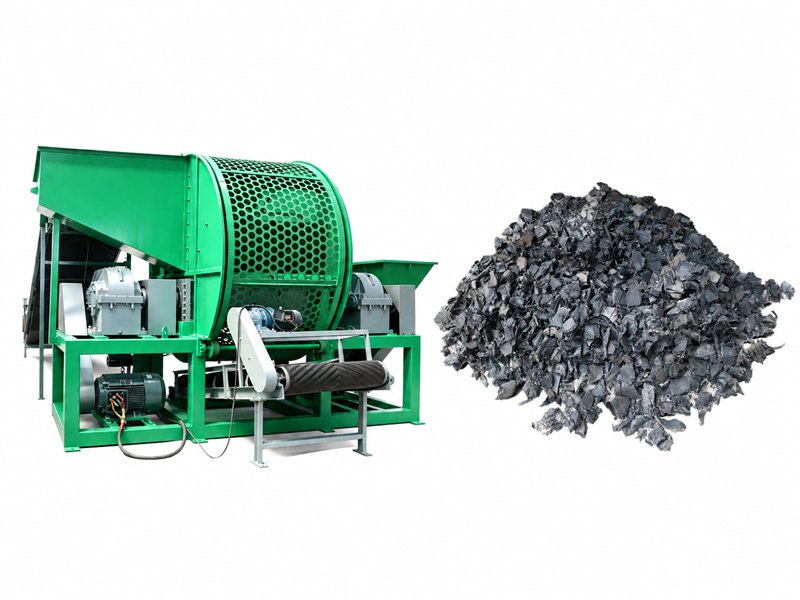
With the rapid growth of vehicle ownership around the world, the amount of waste tires generated every year continues to increase, making scrap tire recycling an essential method for environmental protection and resource utilization. Due to their strong structure and slow degradation rate, discarded tires are difficult to dispose of naturally and often require large storage areas, which may lead to environmental pollution, fire hazards, and the loss of reusable materials. heavy-duty twin-shaft tire shredder plays a crucial role in modern tire recycling plants by using powerful shearing force to break down large waste tires into smaller tire chips, preparing them for further separation and recycling processes.
Why Do Scrap Tires Need to Be Shredded?
Scrap tires cannot be directly reused in most recycling applications because they have a strong structure made of rubber, steel wire, and fiber materials. Shredding is the first and most important step to separate and recover these valuable components.
The main reasons for shredding scrap tires include:
- Reducing Tire SizeWhole tires are large, heavy, and difficult to transport or process. A tire shredder reduces them into smaller pieces, making storage, transportation, and further recycling easier.
- Recovering Valuable MaterialsWaste tires contain valuable materials such as rubber, steel wire, and textile fiber. After shredding and separation, these materials can be reused in different industries.
- Improving Recycling EfficiencySmaller tire pieces provide a larger surface area, allowing downstream equipment such as magnetic separators, granulators, and rubber mills to work more efficiently.
- Reducing Environmental ProblemsProper shredding and recycling prevent scrap tires from being illegally dumped or burned, reducing pollution and saving natural resources.
Why Use a Heavy-Duty Twin-Shaft Tire Shredder?
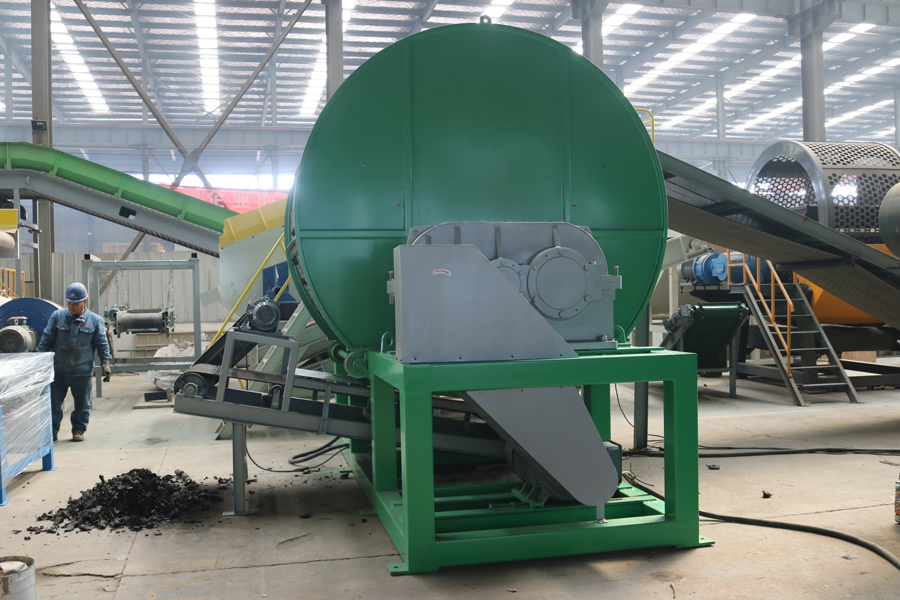
Heavy-duty twin-shaft shredder is specially designed for processing large and tough materials such as truck tires, mining tires, and industrial rubber products. Compared with ordinary shredders, it provides stronger cutting force, higher durability, and better processing capacity.
The main advantages include:
1. Powerful Cutting Performance
The twin-shaft design uses two rotating shafts equipped with high-strength blades. The two shafts rotate at low speed with high torque, allowing the machine to easily tear and cut thick rubber tires.
2. High Processing Capacity
Heavy-duty twin-shaft tire shredders can continuously process large quantities of scrap tires, making them suitable for commercial tire recycling plants.
3. Strong Adaptability
This machine can handle different types of tires, including:
- Passenger car tires
- Truck tires
- Bus tires
- Agricultural tires
- OTR (Off-The-Road) tires
- Mining tires
4. Low-Speed and High-Torque Operation
Unlike high-speed crushers, twin-shaft shredders use slow rotation and strong torque. This reduces energy consumption, minimizes dust generation, and improves blade service life.
5. Automatic Reverse Protection
When encountering extremely hard materials, the machine can automatically reverse rotation to prevent damage and protect the motor and gearbox.
How Large Can a Heavy-Duty Twin-Shaft Tire Shredder Process?
The output size of a heavy-duty twin-shaft tire shredder depends on the blade design, shaft speed, and recycling requirements.
Generally, it can shred scrap tires into:
- 50–150 mm tire chips for tire-derived fuel (TDF)
- 30–80 mm rubber pieces for further crushing
- 10–50 mm particles after secondary processing
For large OTR and mining tires, heavy-duty models can process tires with diameters of more than 2 meters. The production capacity can range from several tons per hour to more than 20 tons per hour depending on the machine model and tire type.
Complete Scrap Tire Shredding Process
A typical scrap tire recycling process includes several steps:
Step 1: Tire Feeding
Waste tires are collected and loaded into the feeding system. Large tires may require pre-cutting before entering the shredder.
Step 2: Primary Shredding
The heavy-duty twin-shaft tire shredder cuts whole tires into large tire chips through high-torque shearing force.
Step 3: Steel Wire Separation
After shredding, a magnetic separator removes steel wires from the rubber material. The recovered steel can be sold to metal recycling industries.
Step 4: Secondary Crushing and Granulation
The rubber chips can be further processed by a crusher or granulator to produce smaller rubber granules.
Step 5: Fiber Separation
Air separators or screening systems remove textile fibers from the rubber particles.
Step 6: Final Product Collection
The recycled rubber, steel, and fiber are collected separately for different applications.
Applications of Final Recycled Materials
After complete recycling, scrap tires can produce several valuable products:
1. Tire-Derived Fuel (TDF)
Large tire chips can be used as alternative fuel in cement plants, power plants, and industrial boilers.
2. Rubber Granules
Recycled rubber granules are widely used for:
- Rubber playground surfaces
- Sports tracks
- Rubber tiles
- Construction materials
3. Recovered Steel
Steel wire extracted from tires can be recycled into new steel products.
4. Rubber Modified Asphalt
Recycled tire rubber can improve road durability and reduce noise when used in asphalt production.
5. Construction Materials
Processed tire materials can be used in insulation materials, drainage systems, and engineering projects.
Heavy-duty twin-shaft tire shredder plays a key role in modern scrap tire recycling plants. Its powerful torque, durable structure, high capacity, and ability to process various tire sizes make it an ideal solution for handling waste tires. Through efficient shredding and separation, scrap tires can be transformed into valuable resources such as rubber granules, steel, and fuel materials, creating both environmental and economic benefits. For businesses planning to build a tire recycling plant, choosing a reliable heavy-duty twin-shaft shredder is the first step toward efficient and profitable waste tire processing.