


Get the latest price? We'll respond as soon as possible(within 12 hours) Fields marked with an asterisk * are required.

Blog
Glass Shredding Machine
2026-04-20 18:27:37
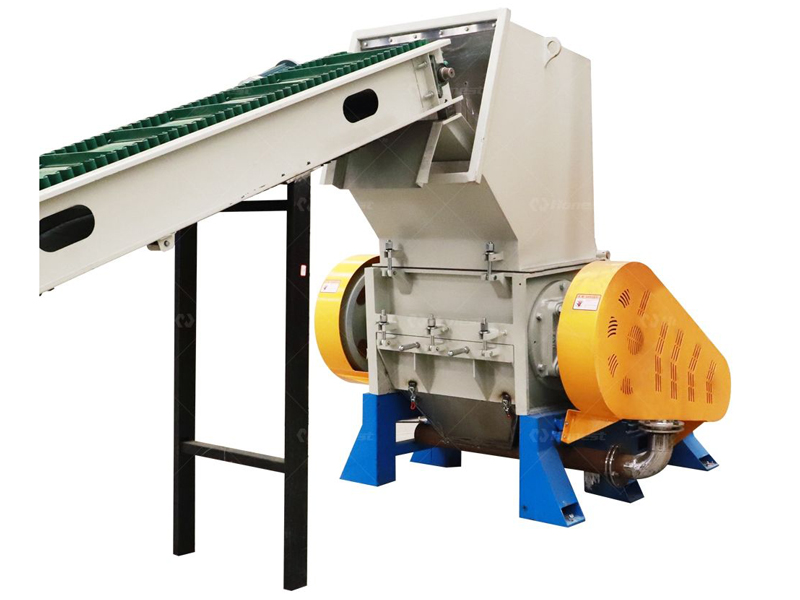
Glass shredding machine plays a critical role in modern recycling systems by reducing waste glass into reusable cullet. With the rapid growth of urbanization and industrial production, large quantities of waste glass are generated daily. Efficient shredding not only reduces environmental impact but also creates valuable raw materials for multiple industries. This article explains the sources of waste glass, the importance of shredding, machine selection, working principles, and the applications of processed glass.
Sources of Waste Glass
Waste glass comes from a wide range of residential, commercial, and industrial activities. Understanding these sources helps optimize recycling strategies.
Main Sources Include:
- Household Waste
- Beverage bottles, food jars, broken glassware
- Construction and Demolition (C&D)
- Window panels, glass doors, architectural glass
- Automotive Industry
- Windshields, side windows, tempered glass
- Electronics and Appliances
- Display panels, glass components
- Industrial Production Waste
- Defective glass products and manufacturing scrap
Why Glass Needs to Be Shredded
Shredding waste glass is a key step in the recycling process. It improves handling efficiency and enhances the value of recycled materials.
Key Benefits:
- Volume Reduction: Makes storage and transportation easier
- Improved Sorting Efficiency: Smaller particles are easier to separate by color or type
- Enhanced Melting Efficiency: Crushed glass (cullet) melts faster than raw materials
- Cost Savings: Reduces energy consumption in glass manufacturing
- Environmental Protection: Minimizes landfill waste and lowers carbon emissions
How to Choose a Glass Shredding Machine
Selecting the right glass shredding machine depends on material characteristics, production capacity, and desired output size.
Common Machine Types:
- Hammer Crusher
- Suitable for brittle glass with high throughput
- Double Shaft Shredder
- Ideal for large, mixed, or contaminated glass waste
- Single Shaft Shredder
- Produces more uniform particle sizes
- Impact Crusher
- Provides finer crushing for specific applications
Selection Considerations:
- Feed size and hardness of glass
- Required output size
- Production capacity
- Energy consumption
- Maintenance and blade wear
Working Principle of Glass Shredding Machine
The working principle varies depending on the machine type, but most systems combine impact, shear, and compression forces.
General Working Process:
- Feeding
Waste glass is loaded into the hopper. - Crushing or Shredding
Rotating blades or hammers break the glass into smaller pieces. - Screening
A screen controls the output size. - Discharge
Processed glass is discharged for further use or separation.
For example, a double shaft shredder uses low-speed, high-torque shafts to tear glass, while a hammer crusher uses high-speed impact to break it into finer particles.
Applications of Shredded Glass
After shredding, glass becomes a valuable secondary resource with multiple industrial uses.
Main Applications:
- Glass Manufacturing
- Reused as cullet to produce new bottles and containers
- Construction Materials
- Used in concrete, asphalt, and road base layers
- Insulation Materials
- Fiberglass production
- Abrasives and Sandblasting
- Crushed glass as an eco-friendly abrasive
- Landscaping and Decoration
- Colored glass for aesthetic applications
- Filtration Media
- Used in water and wastewater treatment systems
Glass shredding machine is essential for transforming waste glass into valuable recyclable materials. By understanding the sources of waste glass, the benefits of shredding, and the correct machine selection, businesses can improve recycling efficiency and reduce environmental impact. With wide-ranging applications in manufacturing, construction, and environmental protection, shredded glass continues to play a vital role in the circular economy.