


Get the latest price? We'll respond as soon as possible(within 12 hours) Fields marked with an asterisk * are required.

Blog
Glass Fiber Shredder
2025-12-08 18:22:20
Managing glass fiber waste is a major challenge for industries such as composite manufacturing, construction, automotive production, and fiberglass insulation processing. A glass fiber shredder provides an efficient solution for breaking down strong, durable glass fibers into reusable or easy-to-dispose particles. This advanced equipment improves production efficiency, supports recycling goals, and reduces waste disposal costs.
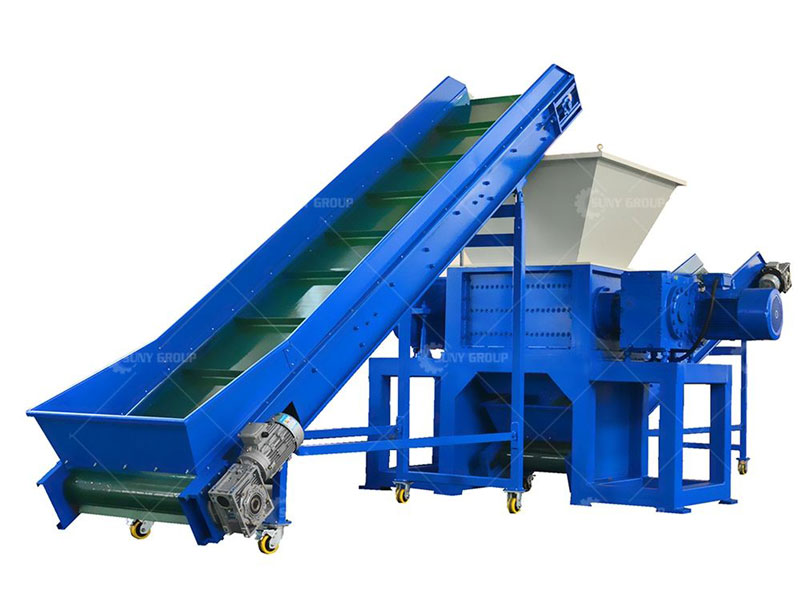
1. Introduction to Glass Fiber Shredders and Their Industrial Importance
A glass fiber shredder is a specialized machine built to cut, tear, and reduce fiberglass materials into smaller, manageable pieces. Because glass fiber is extremely tough and abrasive, traditional shredders cannot handle it without wear or damage. A dedicated glass fiber shredder uses reinforced blades, anti-corrosion components, and high-torque drive systems to achieve reliable performance. As industries move toward sustainability and waste reduction, the demand for efficient shredding equipment continues to rise.
2. Core Features and Working Principles of a Glass Fiber Shredder
A modern glass fiber shredder incorporates several key features that enhance durability and productivity:
-
High-strength cutting blades capable of handling abrasive fiberglass strands
-
Low-speed, high-torque motors that provide stable shredding without generating excessive dust
-
Wear-resistant chamber design to protect against fiber abrasion
-
Automatic feeding and discharge systems to reduce manual handling
-
Dust-control and filtration units to maintain operator safety
The working principle involves grabbing and pulling fiberglass into the cutting chamber, where rotating blades shear the fibers into consistent particle sizes. Controlled cutting reduces fiber length without overheating the material, which is important for both recycling and safe disposal.
3. Applications and Industries That Benefit from Glass Fiber Shredding
Glass fiber shredders are widely used across various industries where fiberglass waste is generated:
-
FRP (Fiber Reinforced Plastic) manufacturing plants
-
Wind turbine blade recycling facilities
-
Automotive composite production
-
Boat building and aerospace component factories
-
Construction materials companies
Shredded glass fiber can be reused as reinforcement filler, processed into new composite materials, or prepared for thermal and mechanical recycling. This not only reduces waste but also lowers raw material consumption for companies that reintegrate shredded fibers into their manufacturing processes.
4. How to Choose a High-Performance Glass Fiber Shredder for Your Facility
Selecting the right glass fiber shredder requires careful evaluation of production needs and material characteristics. Buyers should consider the following:
-
Shredding capacity and throughput rate to match daily production levels
-
Type of fiberglass waste (e.g., mats, fabric, FRP scraps, insulation offcuts)
-
Blade durability and maintenance requirements
-
Dust control performance to protect workers and comply with safety standards
-
Automation features that reduce labor costs and improve operating efficiency
-
Energy consumption and long-term operating cost
A reliable shredder should deliver stable performance, minimize downtime, and withstand the abrasive nature of glass fibers. Choosing a machine from a reputable manufacturer ensures better service support, longer equipment lifespan, and higher return on investment.
A glass fiber shredder is an essential tool for modern fiberglass production and recycling environments. By integrating advanced shredding technology, industries can reduce waste volume, improve material recovery, and support sustainable manufacturing practices. With the right equipment, companies can streamline operations and contribute to a more efficient and eco-friendly industrial ecosystem.