


Get the latest price? We'll respond as soon as possible(within 12 hours) Fields marked with an asterisk * are required.

News
Plastic Shredder Machine for Sale
2026-02-09 14:58:07
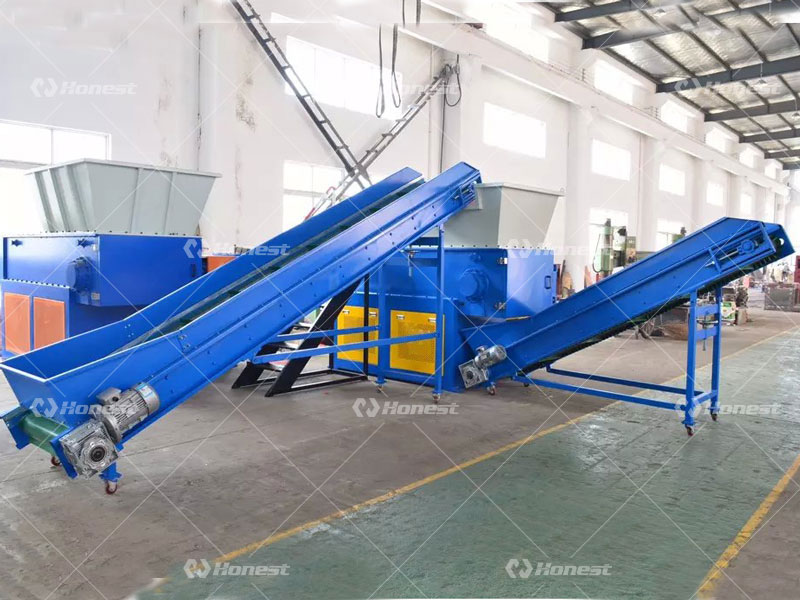
Plastic shredder machine is an essential piece of equipment in plastic recycling and waste management. With the global increase in plastic consumption, shredding has become the first and most critical step in turning plastic waste into reusable raw materials. This article explains the main plastic types, why plastics need to be shredded, how a plastic shredder machine works, its key features, and how to choose the right shredder.
1. Main Types of Plastics Processed by Plastic Shredder Machines
Different plastics have different physical properties, and a plastic shredder machine must be compatible with these materials. Common plastic types include:
-
PET (Polyethylene Terephthalate): Bottles, food containers, beverage packaging
-
HDPE (High-Density Polyethylene): Detergent bottles, pipes, crates
-
LDPE (Low-Density Polyethylene): Plastic films, bags, agricultural film
-
PP (Polypropylene): Woven bags, automotive parts, household goods
-
PVC (Polyvinyl Chloride): Pipes, window frames, cable insulation
-
ABS / PS: Electronic housings, appliance shells, plastic toys
A high-quality plastic shredder machine can handle both rigid and soft plastics by adjusting blade design and shaft torque.
2. Why Plastics Need to Be Shredded
Plastic shredding is not just size reduction—it is a key step in efficient recycling. The main reasons include:
-
Volume Reduction: Shredding reduces plastic size, making storage and transportation easier and cheaper
-
Pre-Treatment for Recycling: Downstream processes such as washing, granulation, extrusion, and pelletizing require uniform material size
-
Improved Separation: Smaller plastic pieces are easier to separate from metals, labels, or impurities
-
Increased Recycling Value: Shredded plastics have higher market demand and more stable quality
Without a plastic shredder machine, recycling efficiency and profitability are significantly reduced.
3. Working Principle of a Plastic Shredder Machine
The working principle of a plastic shredder machine is based on mechanical shearing and tearing:
-
Plastic waste is fed into the shredding chamber
-
One or two rotating shafts equipped with hardened blades grab the material
-
The blades cut, tear, and shear the plastic against fixed counter-knives
-
Material is reduced to a predefined size and discharged through the bottom
Most industrial plastic shredder machines use low-speed, high-torque motors, ensuring stable operation, low noise, and minimal dust.
4. Key Features of Plastic Shredder Machines
A modern plastic shredder machine offers several technical advantages:
-
High Torque Gearbox: Handles thick and tough plastics without jamming
-
Wear-Resistant Blades: Made from alloy or tool steel for long service life
-
Customizable Output Size: Screen or blade configuration controls final size
-
Overload Protection: Hydraulic or electronic systems prevent motor damage
-
Wide Application Range: Suitable for films, bottles, lumps, pipes, and sheets
These features make plastic shredder machines suitable for recycling plants, manufacturing factories, and waste processing centers.
5. How to Choose the Right Plastic Shredder Machine
When selecting a plastic shredder machine, consider the following factors:
-
Material Type: Soft plastic (film, bags) or rigid plastic (pipes, blocks)
-
Capacity Requirement: Throughput per hour based on production scale
-
Output Size: Pre-shredding or fine shredding for granulation
-
Blade Configuration: Single-shaft, double-shaft, or four-shaft shredder
-
Maintenance and Cost: Blade replacement, energy consumption, and durability
Choosing the right plastic shredder machine improves efficiency, reduces operating costs, and ensures long-term recycling profitability.
Plastic shredder machine plays a vital role in plastic recycling by reducing size, improving processing efficiency, and increasing material value. Understanding plastic types, shredding purposes, machine working principles, and selection criteria helps businesses build an efficient and sustainable plastic recycling system.