


Get the latest price? We'll respond as soon as possible(within 12 hours) Fields marked with an asterisk * are required.

Blog
Wood Crusher Machine
2025-11-22 18:57:00
Wood crusher machine plays a vital role in modern biomass recycling, woodworking production, and waste management. As industries generate increasing amounts of wood scraps, branches, pallets, and leftover material, the need for efficient crushing technology becomes more important. Wood crushers convert bulky waste into uniform particles, ensuring smooth downstream processing and reducing the environmental impact of untreated wood disposal.
1. Overview of Wood Waste Generation and the Need for Wood Crushing
Wood waste is produced in forestry operations, sawmills, urban landscaping, packaging industries, furniture manufacturing, and agricultural farms. Without proper processing, these materials accumulate, creating handling difficulties and occupying large storage areas. A wood crusher machine solves this problem by reducing size, improving transport efficiency, and preparing wood for further industrial use. Crushing also maximizes the value of wood waste by turning it into consistent raw material that can be reused instead of discarded.
2. Key Components and Internal Structure of a Wood Crusher Machine
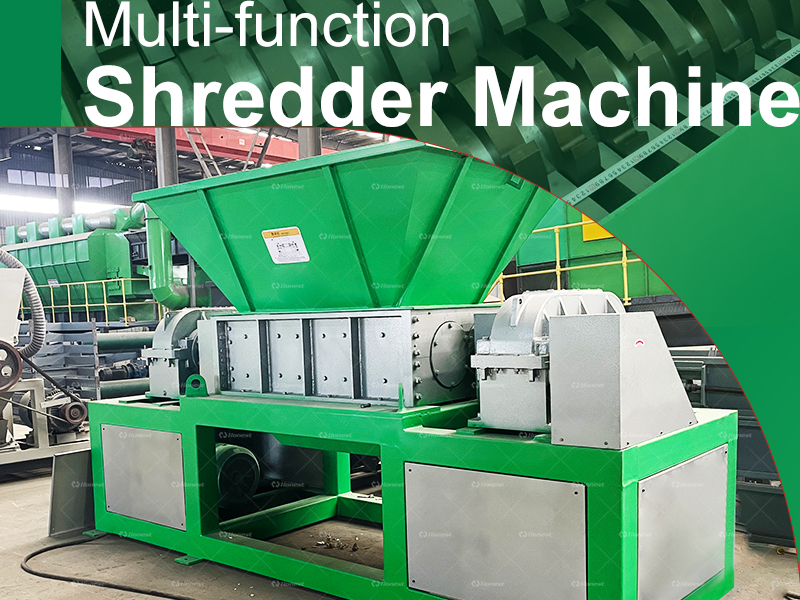
A modern wood crusher machine is built with several integrated parts that work together to ensure stable, high-capacity performance:
-
Feeding Port or Conveyor System – guides logs, branches, or boards safely into the machine.
-
Crushing Chamber – contains blades, hammers, or rotating cutters designed to break wood fibers quickly and cleanly.
-
Rotor or Blade Shaft – powered by an electric motor or diesel engine, delivering strong mechanical force for crushing.
-
Screening Mesh or Sieve Plate – determines the final particle size by allowing only correctly sized material to pass.
-
Discharge System – outputs finished wood particles for packaging or secondary processing.
-
Dust Removal Unit – optional but common in industrial setups to keep the working environment clean.
This internal structure ensures consistent output, low energy consumption, and long service life.
3. Different Materials Suitable for Wood Crushing
Wood crusher machines are designed to handle a wide variety of materials:
-
Fresh branches and tree limbs
-
Hardwood and softwood logs
-
Wooden pallets, packaging boards, and crate waste
-
Veneer, plywood, offcuts, and carpentry scraps
-
Bamboo and agricultural plant stems
-
Demolition wood with minor impurities
The versatility of the machine makes it suitable for recycling centers, pellet factories, and biomass power plants that work with diverse feedstocks.
4. How to Select the Right Wood Crusher for Industrial Use
Choosing the correct wood crusher machine requires evaluating operational needs and material characteristics. Important factors include:
-
Input Size: Large logs may require a heavy-duty crusher or integrated shredder-crusher unit.
-
Desired Output Size: Fine sawdust needs high-speed crushing, while chips require a machine with stable cutting blades.
-
Production Capacity: Large factories should select high-throughput models with automated feeding.
-
Moisture Content: Wet materials require strong motors and reinforced rotors to prevent clogging.
-
Working Environment: Outdoor operations may need mobile or diesel-powered units, while indoor facilities benefit from electric systems.
-
Maintenance Requirements: Machines with replaceable blades and durable bearings reduce downtime and operation costs.
A proper selection ensures reliable performance and long-term profitability.
5. End Products of Wood Crushing and Their Market Applications
The final crushed wood material can be transformed into numerous valuable products:
-
Sawdust for wood pellet and briquette manufacturing
-
Biomass fuel for industrial boilers and thermal systems
-
Mulch for landscaping, gardening, and soil protection
-
Raw material for particleboard, MDF, and engineered wood panels
-
Absorbent bedding for livestock and poultry farms
-
Composting additives for agricultural soil improvement
Because these products serve multiple industries, wood crushing supports both environmental protection and commercial development.