


Get the latest price? We'll respond as soon as possible(within 12 hours) Fields marked with an asterisk * are required.

Blog
Wood Chipper Machines
2025-11-22 18:02:22
Wood chipper machine is an essential piece of equipment used in forestry, landscaping, biomass processing, and waste management. As global demand for renewable materials continues to rise, wood chipping has become one of the most efficient ways to convert raw wood into valuable resources. Understanding where wood comes from, why it needs chipping, how to select the right machine, and what the processed wood can be used for is crucial for both industrial and commercial users.
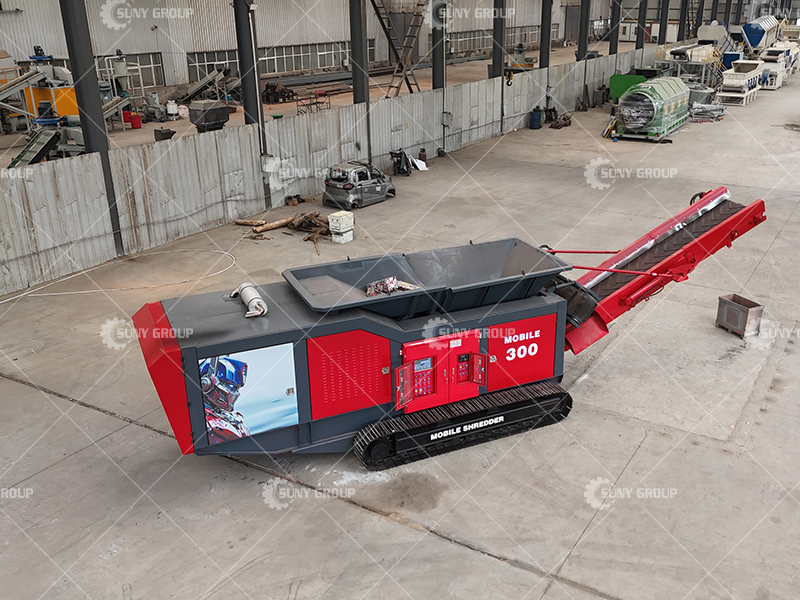
Sources of Wood for Chipping
The raw material used in wood chipper machines comes from a wide range of sources, including:
-
Forest Residues
Logging operations generate branches, offcuts, tree tops, and thinning wood, all of which can be processed into chips instead of being burned or left to rot. -
Construction and Demolition Waste
Discarded wooden beams, pallets, planks, and formwork boards can be reused through chipping, reducing landfill waste. -
Agricultural and Orchard Wood
Pruned branches from fruit orchards, vineyards, and farmland are ideal for chipping and can be turned into mulch or biomass fuel. -
Urban Green Waste
Municipalities collect large volumes of fallen branches, storm debris, and garden waste that can be recycled into usable wood chips. -
Sawmill and Furniture Waste
Sawdust, offcuts, and scrap wood from woodworking industries provide consistent and clean material suitable for high-quality chips.
Why Wood Needs to Be Chipped
Chipping wood serves several practical and environmental purposes:
-
Volume Reduction
Large branches and logs take up significant space. Chipping reduces volume, making transportation, storage, and processing more efficient. -
Resource Recovery
Instead of discarding wood waste, chipping turns it into a usable raw material for biomass fuels, landscaping, or industrial production. -
Improved Handling
Smaller uniform chips flow easily in conveyors, feeders, and biomass boilers, supporting automated processing. -
Environmental Protection
Chipping reduces the need for open burning, lowering carbon emissions and improving waste management practices.
Choosing the Right Type of Wood Chipper Machine
Selecting the correct wood chipper machine depends on material type, production capacity, and application requirements. Common choices include:
-
Disc Chipper
Ideal for uniform chips and high-volume processing. Frequently used in paper mills and biomass plants. -
Drum Chipper
Suitable for thicker branches, logs, and mixed wood. Offers strong feeding ability and stable chip size control. -
Hammer Mill Wood Crusher
Best for brittle materials, pallets, and waste wood with nails. Reduces wood into smaller particles for composting or pellet production. -
Mobile Wood Chipper
Designed for outdoor operations, landscaping work, and forestry use. Provides flexibility and quick on-site processing. -
Industrial Twin-Shaft Shredder
Used when wood waste includes impurities. Suitable for demolition wood, furniture waste, and bulky materials.
Evaluating feed size, hardness, moisture content, and final chip specification helps determine the best machine type for your operation.
Uses of Chipped Wood
Wood chips generated by chipper machines have a wide range of applications:
-
Biomass Fuel for boilers, gasifiers, and power plants
-
Mulch and Landscaping Material for moisture retention and soil protection
-
Pulp and Paper Production using high-quality processed chips
-
Wood Pellets and Briquettes after further grinding
-
Composting and Soil Improvement through organic material enrichment
-
Animal Bedding due to clean and absorbent characteristics
-
Particleboard and MDF Manufacturing for construction and furniture industries
These applications make wood chipping a valuable step in the circular economy, turning waste into high-value sustainable products.