


Get the latest price? We'll respond as soon as possible(within 12 hours) Fields marked with an asterisk * are required.

Blog
Tire Shredding Machine Cost
2025-12-15 14:10:38
1. What Is a Tire Shredding Machine and Its Role
Tire shredding machine is an industrial recycling device designed to cut waste tires into smaller rubber chips or shreds. These processed materials are widely used in rubber powder production, road construction, playground surfaces, and alternative fuel applications. Understanding tire shredding machine cost is essential for investors entering the waste tire recycling industry, as equipment selection directly impacts production efficiency and profitability.
2. Key Factors Affecting Tire Shredding Machine Cost
Several factors influence tire shredding machine cost. Machine capacity is one of the most critical elements; higher throughput machines generally require a larger investment. Blade material and durability also play a significant role, as high-alloy steel cutters increase price but extend service life. Automation level, power configuration, and safety systems further affect overall cost. Additionally, brand reputation and manufacturing standards can influence pricing.
3. Different Types of Tire Shredding Machines and Prices
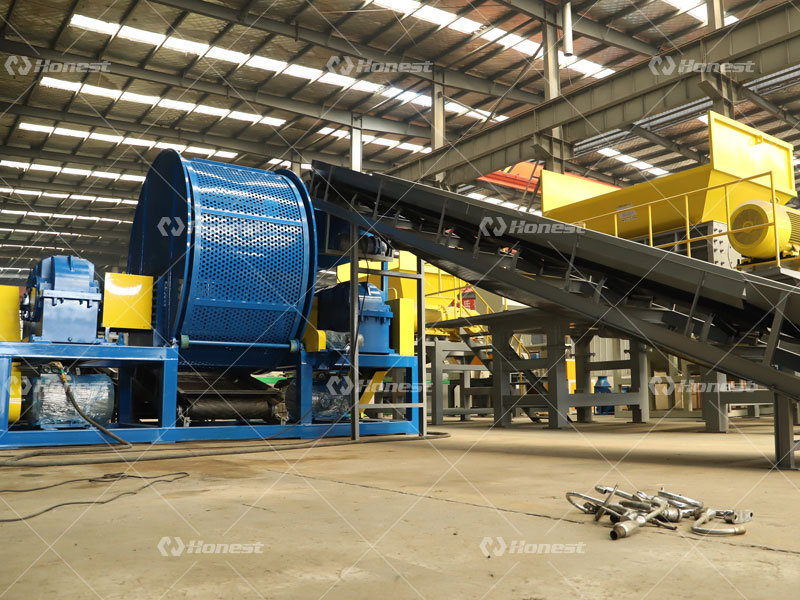
There are multiple types of tire shredding machines available on the market. Single-shaft shredders are typically used for pre-shredding and have a lower initial tire shredding machine cost. Double-shaft shredders offer stronger cutting force and higher stability for large tires. Complete tire recycling lines, which integrate shredding, steel separation, and granulation, require higher investment but provide higher output and cleaner end products.
4. Operating Cost and Maintenance Expenses
Beyond the initial purchase price, operating expenses must be considered when evaluating tire shredding machine cost. Electricity consumption depends on motor power and working hours. Blade wear is a recurring expense, but high-quality cutters reduce replacement frequency. Routine maintenance, lubrication, and occasional part replacement help maintain stable performance and lower long-term operational costs.
5. How to Choose the Right Tire Shredding Machine
Choosing the right equipment requires balancing budget and production goals. Buyers should evaluate local waste tire supply, target output size, and final product application. Comparing tire shredding machine cost with technical specifications ensures the selected model meets capacity requirements. Reliable after-sales service, spare parts availability, and technical support are also essential factors in decision-making.
6. Return on Investment and Long-Term Value
A well-selected tire shredding machine can generate steady revenue over many years. Although high-quality equipment may have a higher upfront tire shredding machine cost, it often delivers better efficiency, lower downtime, and reduced maintenance expenses. With increasing demand for recycled rubber materials, investing in the right tire shredding solution offers strong long-term value and competitive market advantages.