


Get the latest price? We'll respond as soon as possible(within 12 hours) Fields marked with an asterisk * are required.

Blog
Soft Material Cutting Machine
2026-02-25 14:47:30
Soft material cutting machine is an essential piece of equipment in modern manufacturing, designed to cut flexible and lightweight materials with high precision and efficiency. As industries increasingly demand clean cuts, consistent quality, and automated production, soft material cutting machines have become a key solution across multiple sectors.
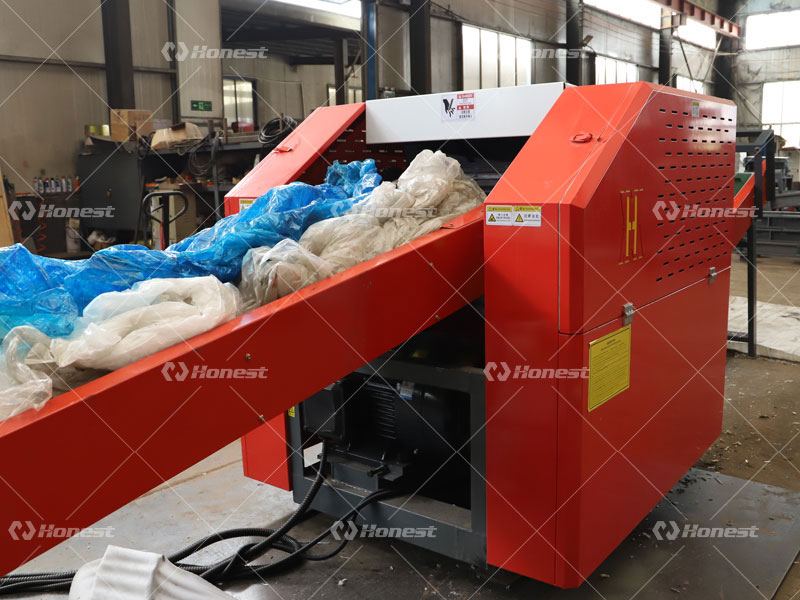
1. Introduction to Soft Material Cutting Machine
Soft material cutting machine is specialized industrial equipment used to process materials that are flexible, elastic, or low in hardness. Unlike heavy-duty metal cutters, these machines are optimized for materials that require precise handling to avoid deformation, tearing, or uneven edges. With advanced control systems and automated feeding, soft material cutting machines significantly improve production efficiency, reduce waste, and ensure consistent cutting quality in large-scale manufacturing.
2. Types of Soft Materials Suitable for Cutting
Soft material cutting machines are designed to handle a wide variety of materials, including:
-
Foam materials such as EVA, PU foam, sponge, and insulation foam
-
Textiles and fabrics, including woven fabrics, nonwoven materials, felt, and carpet
-
Leather and synthetic leather used in furniture, footwear, and automotive interiors
-
Rubber and soft plastics, including silicone sheets, PVC films, and flexible composites
These machines are adaptable to different thicknesses and densities, making them suitable for both light-duty and industrial applications.
3. Working Principle of Soft Material Cutting Machine
The working principle of a soft material cutting machine focuses on controlled, stable cutting to maintain material integrity. The process typically includes:
-
Automatic feeding system that positions materials accurately
-
Cutting mechanism, such as straight blade cutting, rotary blade cutting, or water jet cutting, depending on material type
-
Precision control system that ensures uniform cutting speed and depth
By combining automated feeding with high-precision cutting tools, the machine achieves clean edges, minimal material deformation, and high repeatability.
4. Key Features and Advantages
Soft material cutting machines offer several important advantages:
-
High cutting accuracy, ensuring smooth edges and consistent dimensions
-
High automation level, reducing manual labor and operating costs
-
Wide material compatibility, suitable for multiple soft materials
-
Low energy consumption and noise, ideal for continuous industrial operation
-
Improved safety, with enclosed cutting areas and emergency protection systems
These features make the equipment reliable for long-term industrial use while maintaining stable performance.
5. Applications and Industries
Soft material cutting machines are widely used in various industries, including:
-
Packaging industry, for foam inserts, protective padding, and flexible packaging materials
-
Automotive industry, for interior components, soundproof materials, and seat cushioning
-
Furniture and mattress manufacturing, cutting foam layers and upholstery materials
-
Textile and garment industry, for fabrics, patterns, and technical textiles
-
Medical and healthcare industry, processing soft materials used in medical products
Their flexibility and precision allow manufacturers to meet diverse production requirements.
6. How to Choose the Right Soft Material Cutting Machine
When selecting a soft material cutting machine, several factors should be considered:
-
Material type and thickness, which determine blade type and cutting power
-
Production capacity, including cutting speed and automation level
-
Cutting accuracy requirements, especially for precision components
-
Maintenance and operating costs, including blade replacement and energy consumption
-
After-sales support, ensuring long-term stable operation
Choosing the right machine helps maximize productivity, reduce downtime, and improve overall product quality.
Soft material cutting machine is a vital investment for industries working with flexible materials. With precise cutting performance, high efficiency, and broad application potential, it provides manufacturers with a reliable solution to improve production quality and operational efficiency. As automation and precision become increasingly important, soft material cutting machines will continue to play a crucial role in modern manufacturing.