


Get the latest price? We'll respond as soon as possible(within 12 hours) Fields marked with an asterisk * are required.

Blog
Small Metal Shredder
2026-01-16 17:43:34
Small metal shredder is an essential machine for efficient metal size reduction and recycling in small to medium-scale operations. With growing demand for metal recycling, workshops, recycling centers, and manufacturing plants increasingly rely on compact shredding equipment to process metal waste efficiently.
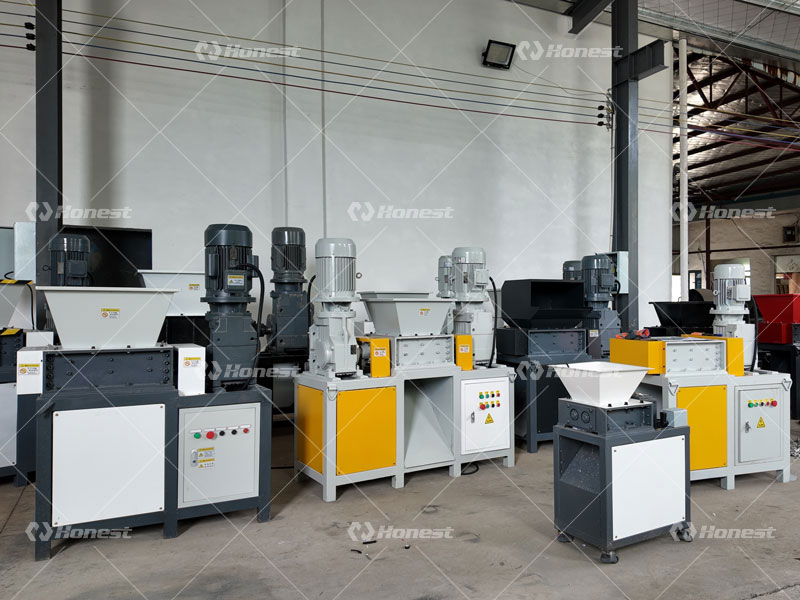
Applications of a Small Metal Shredder
Small metal shredder is designed to handle various light and medium-duty metal materials. Common applications include:
-
Metal Recycling Workshops
-
Shredding scrap metal to reduce volume and prepare materials for separation.
-
-
Manufacturing Plants
-
Processing metal offcuts, defective parts, and production waste.
-
-
E-waste Recycling
-
Shredding metal housings, aluminum frames, and mixed metal components.
-
-
Automotive and Appliance Recycling
-
Pre-shredding small metal parts from engines, motors, and household appliances.
-
Due to its compact design, a small metal shredder is ideal for locations with limited space.
How a Small Metal Shredder Works
Small metal shredder operates using mechanical cutting and tearing forces. The working process generally includes the following steps:
-
Feeding System
-
Metal waste is manually or automatically fed into the shredder hopper.
-
-
Shredding Chamber
-
Rotating blades or shafts apply shear and tearing forces to break metal into smaller pieces.
-
-
Size Control
-
Screens or adjustable blade gaps control the final output size.
-
-
Discharge System
-
Shredded metal exits the machine for collection or further processing.
-
This efficient working principle ensures stable output and reduced energy consumption.
How to Choose a Small Metal Shredder
Selecting the right small metal shredder is critical for performance and cost efficiency. Important factors include:
-
Material Type
-
Confirm the machine is suitable for steel, aluminum, copper, or mixed metals.
-
-
Processing Capacity
-
Match the shredder’s throughput with your daily production requirements.
-
-
Blade Material and Design
-
High-strength alloy steel blades offer longer service life and better cutting performance.
-
-
Power Configuration
-
Electric or hydraulic drive options affect torque and energy efficiency.
-
-
Safety and Automation
-
Emergency stop systems and overload protection improve operational safety.
-
-
Maintenance and Durability
-
Easy blade replacement and robust structure reduce downtime.
-
A properly selected small metal shredder improves productivity and lowers operating costs.
Advantages of Using a Small Metal Shredder
Using a small metal shredder provides multiple operational and economic benefits:
-
Volume Reduction
-
Shredded metal occupies less space, reducing transportation and storage costs.
-
-
Improved Separation Efficiency
-
Smaller metal pieces are easier to separate using magnetic or eddy current systems.
-
-
Lower Labor Requirements
-
Automated shredding reduces manual cutting and handling.
-
-
Flexible Installation
-
Compact size allows installation in workshops or mobile recycling units.
-
These advantages make small metal shredders popular in decentralized recycling systems.
Recycling Value of Shredded Metal Materials
After processing with a small metal shredder, the shredded materials can be reused or sold efficiently:
-
Ferrous Metals
-
Sent to steel mills for remelting.
-
-
Non-Ferrous Metals
-
Aluminum and copper are separated and sold at higher purity.
-
-
Mixed Metal Fractions
-
Further processed through sorting and refining systems.
-
Higher material purity directly increases recycling profitability.
Small metal shredder is a reliable and cost-effective solution for metal recycling, waste reduction, and material preparation. By understanding its applications, working principle, selection criteria, and recycling value, businesses can choose the right equipment and maximize returns. With rising demand for sustainable recycling, investing in a high-quality small metal shredder is a smart and future-proof decision.