


Get the latest price? We'll respond as soon as possible(within 12 hours) Fields marked with an asterisk * are required.

Blog
Plastic Scrap Shredder
2026-01-27 12:23:25
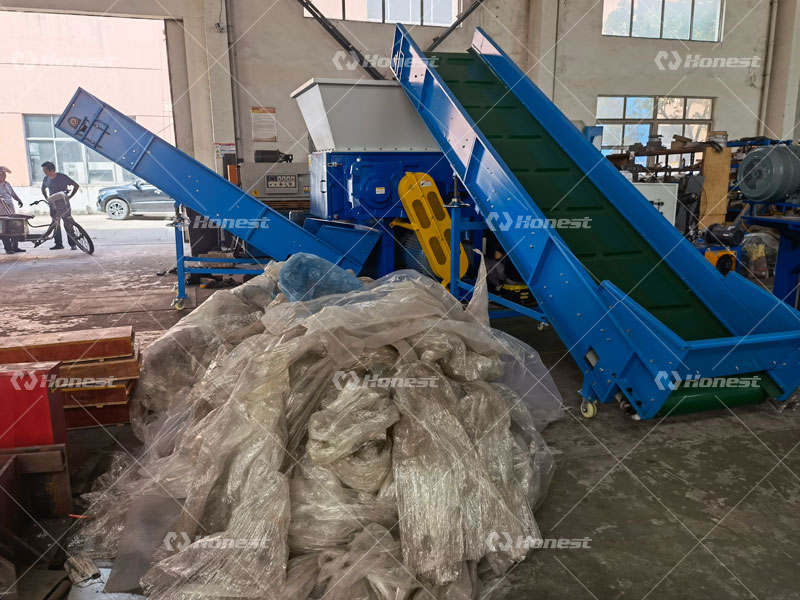
With the rapid growth of plastic production worldwide, the volume of plastic waste is increasing every year. plastic scrap shredder plays a crucial role in modern recycling systems by reducing waste size and improving material reuse efficiency. Understanding the sources of plastic scrap, why shredding is necessary, how to choose the right shredder, and the applications of shredded plastics is essential for recycling plants and manufacturers.
Sources of Plastic Scrap
Plastic scrap comes from many industries and daily activities. Common sources include:
-
Post-consumer plastic waste such as bottles, containers, packaging films, and household plastics
-
Industrial plastic scrap including injection molding rejects, sprues, and defective products
-
Agricultural plastics like irrigation pipes, mulch films, and greenhouse sheets
-
Electronic and appliance plastics from discarded TVs, refrigerators, and computer housings
-
Automotive plastic parts such as bumpers, dashboards, and interior trims
These materials vary in size, thickness, and hardness, requiring reliable shredding solutions.
Why Waste Plastic Needs to Be Shredded
Shredding is a key pre-treatment step in plastic recycling. The main reasons include:
-
Volume reduction: Large plastic items are reduced into manageable sizes for storage and transport
-
Improved processing efficiency: Shredded plastic feeds smoothly into washing, granulating, or extrusion systems
-
Material separation: Uniform size helps with sorting by density, air classification, or flotation
-
Lower recycling costs: Consistent particle size reduces equipment wear and energy consumption
A plastic scrap shredder ensures stable and continuous recycling operations.
How to Choose a Plastic Scrap Shredder
Selecting the right shredder depends on material type and production needs. Key selection factors include:
-
Plastic type: PET, HDPE, LDPE, PP, ABS, PVC, or mixed plastics
-
Input size and thickness: Films, hollow containers, pipes, or solid blocks
-
Required capacity: Small workshops or large-scale recycling plants
-
Output size requirement: Pre-shredding or final size control
-
Machine type: Single-shaft, dual-shaft, or heavy-duty shredders
Proper matching improves efficiency and extends machine lifespan.
Working Principle of a Plastic Scrap Shredder
A plastic scrap shredder uses high-torque rotating blades to cut, tear, and shear plastic materials. The plastic is fed into the shredding chamber, where rotating and fixed knives work together to reduce size. For single-shaft shredders, a hydraulic pusher ensures continuous feeding, while dual-shaft shredders rely on synchronized blade rotation. Overload protection and automatic reverse functions prevent damage.
Shredded Plastic Material State and Applications
After shredding, plastics are typically in flakes or strips with uniform size. These shredded materials can be used for:
-
Washing and pelletizing into recycled plastic granules
-
Reprocessing into plastic sheets, pipes, or molded products
-
Energy recovery or RDF production
-
Export and trade as recycled raw materials
plastic scrap shredder is an essential machine for waste plastic recycling. By reducing size, improving handling, and enabling further processing, it increases recycling efficiency and economic value. Choosing the right shredder ensures stable performance, lower costs, and sustainable plastic waste management.