


Get the latest price? We'll respond as soon as possible(within 12 hours) Fields marked with an asterisk * are required.

Blog
Plastic Hydraulic Shredder
2025-12-03 18:15:01
Plastic hydraulic shredder is a high-torque, low-speed industrial shredding machine designed specifically for processing a wide range of plastic waste. With powerful hydraulic force, stable performance, and strong adaptability to difficult materials, it has become one of the most effective solutions for modern plastic recycling facilities. This article provides a detailed overview of the system, its structural components, shredding process, material compatibility, and overall performance benefits.
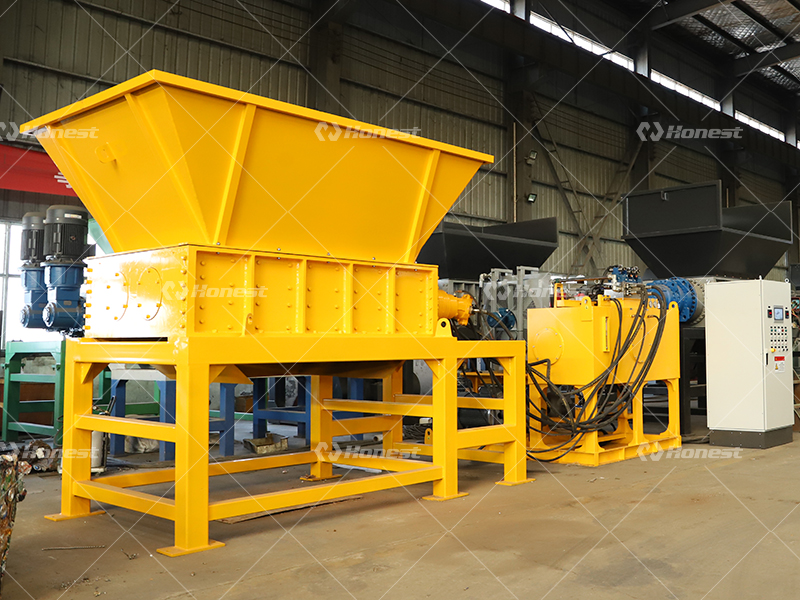
1. System Overview and Hydraulic Drive Advantages
Plastic hydraulic shredder uses a reinforced hydraulic drive system to deliver exceptional torque and cutting force, making it highly effective for shredding thick, bulky, or high-density plastic products. Unlike mechanical shredders, the hydraulic drive maintains stable output even under heavy load and automatically adjusts pressure based on material hardness. This enables smooth shredding without overload or excessive vibration.
The machine is widely used in plastic recycling plants, municipal waste stations, injection-molding factories, pipe manufacturers, and environmental protection industries. Its hydraulic system ensures low energy consumption, long service life, and strong reliability, making it ideal for continuous industrial operation.
2. Key Components and Structural Design
A plastic hydraulic shredder is built with a heavy-duty and long-lasting design. Key components include:
-
Hydraulic power station for high-pressure oil supply and stable torque output
-
Cutting chamber with single or dual shafts for various shredding requirements
-
High-strength alloy blades, designed to resist wear and handle tough plastic materials
-
Hydraulic pusher or sealed hopper for controlled and safe material feeding
-
Reinforced machine frame to withstand continuous heavy-duty operation
-
PLC intelligent control system for auto-reverse, overload protection, and real-time monitoring
Each component works together to ensure efficient cutting performance, improved safety, and reduced maintenance costs. The overall structure provides excellent durability, allowing the machine to operate reliably for extended production cycles.
3. Plastic Shredding Process and Material Compatibility
The shredding process of a plastic hydraulic shredder follows a highly controlled and efficient workflow:
1.Feeding of plastic waste through a hopper or hydraulic pushing device
2.Slow-speed hydraulic shearing, which breaks materials into uniform pieces
3.Automatic reverse function when resistance or blockage is detected
4.Discharge of processed material for washing, sorting, or granulation
5.Dust-control measures to maintain a clean and safe working environment
The machine supports a wide range of plastic types, including:
-
PE and HDPE pipes, plates, and film
-
PP sheets, pallets, crates, and injection-molded items
-
PVC profiles, flooring materials, and building plastics
-
PET bottles, packaging containers, and recycled materials
-
ABS, PS, engineering plastics, and industrial scrap
-
Large plastic barrels, IBC tanks, and hollow containers
This strong compatibility makes the hydraulic shredder suitable for multiple recycling applications across various industries.
4. Performance Benefits, Safety Features, and Environmental Impact
A plastic hydraulic shredder offers several operational advantages:
-
High-torque output ensures fast and stable shredding of dense materials
-
Low noise and vibration due to slow-speed cutting
-
Automatic overload protection to prevent blade damage and downtime
-
Energy-efficient hydraulic system for lower operational costs
-
Enclosed feeding and dust-control design for improved environmental safety
-
Compliance with global recycling and environmental standards
The machine effectively reduces the size of plastic waste, supports efficient resource recovery, and helps industries meet sustainability goals by minimizing landfill disposal.
Plastic hydraulic shredder is a powerful and reliable solution for processing all types of plastic waste. With its advanced hydraulic system, durable structure, and wide material compatibility, it delivers high efficiency, safety, and environmental benefits, making it an essential machine for the modern plastics recycling industry.