


Get the latest price? We'll respond as soon as possible(within 12 hours) Fields marked with an asterisk * are required.

Blog
Plastic Crushing Machine
2026-01-12 15:02:26
Plastic crushing machine plays a crucial role in modern plastic recycling systems. With the rapid growth of plastic consumption worldwide, efficient crushing and size reduction of waste plastics has become the first and most important step in recycling. This article explains what kinds of waste plastics can be processed, how to choose the right plastic crushing machine, the working process, and the applications of crushed plastic materials.
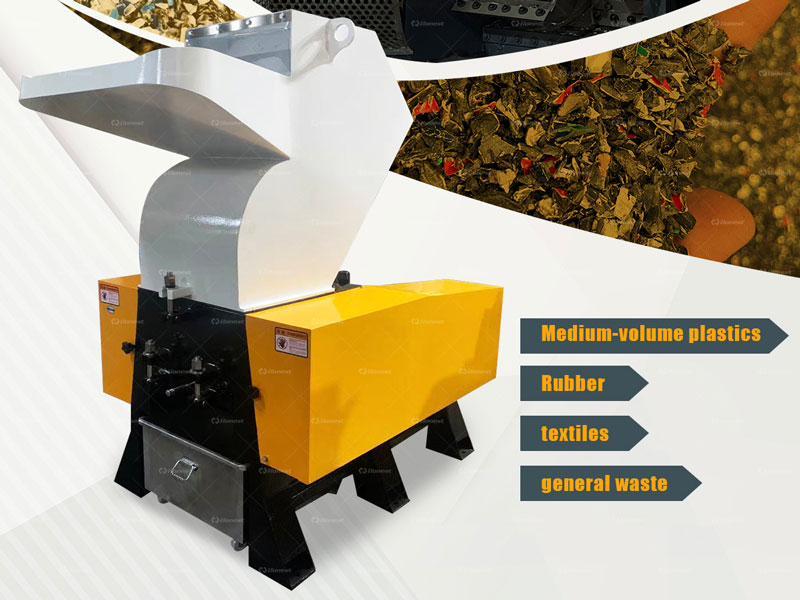
1. Types of Waste Plastics Suitable for a Plastic Crushing Machine
Waste plastics come from many industries and daily life. A high-quality plastic crushing machine can handle a wide range of plastic materials, including:
-
PET plastics: plastic bottles, beverage containers, food packaging
-
HDPE plastics: milk bottles, detergent bottles, plastic barrels
-
LDPE plastics: plastic bags, agricultural films, shrink wrap
-
PP plastics: woven bags, plastic boxes, automotive parts
-
ABS plastics: electronic housings, appliance shells
-
PVC plastics: pipes, window frames, cable insulation
Different plastics vary in hardness, thickness, and contamination level, so selecting the proper crushing machine is essential for efficient operation.
2. How to Choose the Right Plastic Crushing Machine
Key selection criteria include:
-
Material type – Soft plastics like films need low-speed shredders, while hard plastics require heavy-duty crushers.
-
Output size – Adjustable screen size ensures uniform crushed plastic flakes.
-
Capacity requirement – Machines range from small workshop models to industrial-scale crushing machines.
-
Blade material and design – High-strength alloy blades improve durability and crushing efficiency.
-
Automation level – Automatic feeding, dust removal, and conveyor systems increase productivity.
Selecting the right plastic crushing machine improves recycling efficiency and reduces operating costs.
3. Plastic Crushing Machine Working Process
The working process of a plastic crushing machine is simple but highly efficient. A standard crushing workflow includes the following steps:
-
Feeding: Waste plastics are fed into the crusher manually or via conveyor.
-
Crushing: Rotating blades cut, tear, and impact the plastic material into smaller pieces.
-
Screening: Crushed plastic passes through a screen to control particle size.
-
Discharge: Qualified plastic flakes are discharged for further recycling processes.
This continuous workflow ensures stable output and consistent material size, making the plastic crushing machine suitable for large-scale recycling plants.
4. Applications of Crushed Plastic Materials
After processing by a plastic crushing machine, crushed plastic materials can be reused in many industries. Common applications include:
-
Plastic pelletizing: Crushed plastics are melted and granulated into recycled pellets.
-
Injection molding: Recycled plastic flakes are used to manufacture new plastic products.
-
Blow molding: Suitable for bottles, containers, and packaging products.
-
Construction materials: Plastic aggregates for boards, pipes, and composite panels.
-
Textile and fiber production: Especially recycled PET plastics.
Using crushed plastic reduces raw material costs and supports sustainable development.
5. Benefits of Using a Plastic Crushing Machine
A plastic crushing machine provides multiple advantages:
-
Reduces plastic waste volume
-
Improves recycling efficiency
-
Lowers transportation and storage costs
-
Supports circular economy and environmental protection
Plastic crushing machine is an essential piece of equipment in plastic recycling lines. By understanding waste plastic types, choosing the right machine, optimizing the crushing workflow, and expanding the applications of crushed plastics, recycling businesses can significantly improve efficiency and profitability. Investing in a reliable plastic crushing machine is a smart step toward sustainable plastic waste management and long-term economic benefits.