


Get the latest price? We'll respond as soon as possible(within 12 hours) Fields marked with an asterisk * are required.

Blog
Office Shredding Machines
2025-12-04 15:45:17
1. Definition and Primary Purpose of Office Shredding Machines
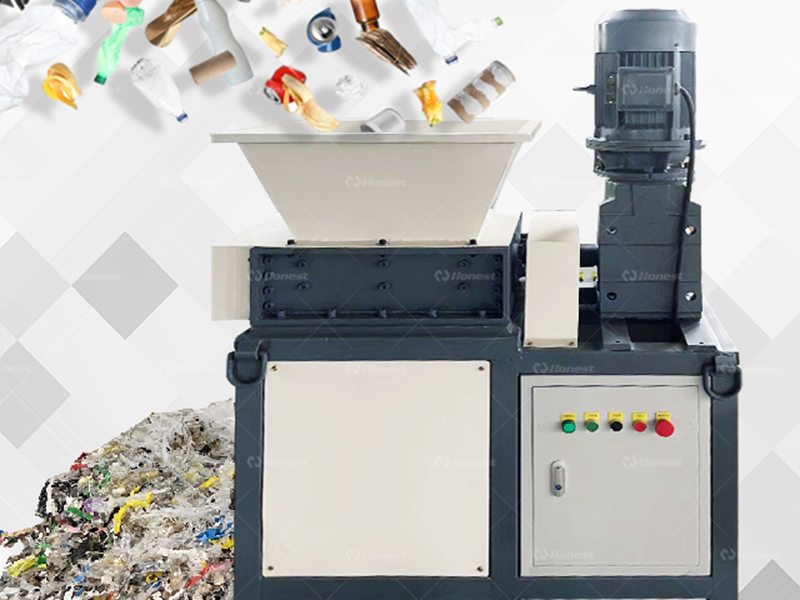
Office shredding machines are essential devices designed to securely destroy documents that contain sensitive, confidential, or proprietary information. Their primary purpose is to convert printed materials into unreadable particles so that unauthorized individuals cannot access or reconstruct the content. In modern workplaces, office shredding machines help protect customer data, internal communications, legal documents, and financial records. By integrating shredders into daily workflows, companies can prevent identity theft, reduce data-breach risks, and comply with internal security policies. As organizations increasingly prioritize information protection, the demand for reliable and efficient office shredding machines continues to grow across all industries.
2. Security Levels and Compliance with Data Protection Laws
Security levels play a crucial role in selecting the right type of office shredding machine. These machines follow DIN 66399 security classifications ranging from P-1 to P-7, each defining the particle size required for proper document destruction.
-
P-1 to P-3: Suitable for general office documents and low-risk materials.
-
P-4 to P-5: Required for confidential files, personal information, and financial reports.
-
P-6 to P-7: Necessary for highly sensitive, regulated, or classified documents.
Businesses operating in fields such as finance, healthcare, legal services, and government must meet strict data protection regulations, including GDPR, HIPAA, and industry-specific privacy standards. Selecting an office shredding machine with the appropriate security level ensures compliance, minimizes legal exposure, and reinforces organizational trust. For companies that process personal data, investing in machines that meet higher security levels is not just recommended—it is essential.
3. Safety Systems and Jam-Prevention Technology
Modern office shredding machines are equipped with advanced safety and jam-prevention systems to improve user experience and reduce operational interruptions. These systems include:
-
Automatic overload protection, which stops the machine when too many sheets are inserted.
-
Reverse-feed functions, allowing users to clear misfed paper easily.
-
Thermal protection, preventing overheating during long sessions.
-
Safety sensors, which stop the blades immediately when fingers or foreign objects are detected.
Jam-prevention technology is especially important in busy offices where continuous shredding is required. These features ensure smooth operation, reduce downtime, and enhance workplace safety. For large teams or shared workspaces, choosing a shredder with strong jam-resistant performance significantly improves overall productivity.
4. Maintenance Requirements, Blade Durability, and Machine Lifespan
Proper maintenance directly affects the performance and lifespan of office shredding machines. Key maintenance requirements include:
-
Regular lubrication of cutting blades to reduce friction and ensure clean cuts.
-
Periodic emptying of the waste bin to prevent jamming and overheating.
-
Cleaning sensors and internal components to maintain accuracy and reliability.
-
Inspecting wear on blades to determine when replacement or servicing is needed.
High-quality shredders use hardened steel blades designed for long-term durability, making them suitable for continuous use in busy office environments. Machines with strong build quality and proper maintenance routines can operate effectively for many years, reducing replacement costs and ensuring consistent document security.
Conclusion
Office shredding machines play a vital role in protecting confidential information, meeting compliance standards, and supporting secure office operations. By understanding their purpose, security classifications, safety technologies, and maintenance needs, businesses can select shredders that enhance both security and efficiency.