


Get the latest price? We'll respond as soon as possible(within 12 hours) Fields marked with an asterisk * are required.

Blog
Industrial Rubber Shredder Machine
2026-02-05 18:33:55
With the rapid development of the automotive, construction, and manufacturing industries, large quantities of waste rubber are generated every year. Waste rubber materials such as used tires, rubber pipes, seals, conveyor belts, and rubber sheets are difficult to dispose of due to their high toughness and durability. An industrial rubber shredder machine plays a critical role in reducing rubber waste volume and enabling efficient recycling.
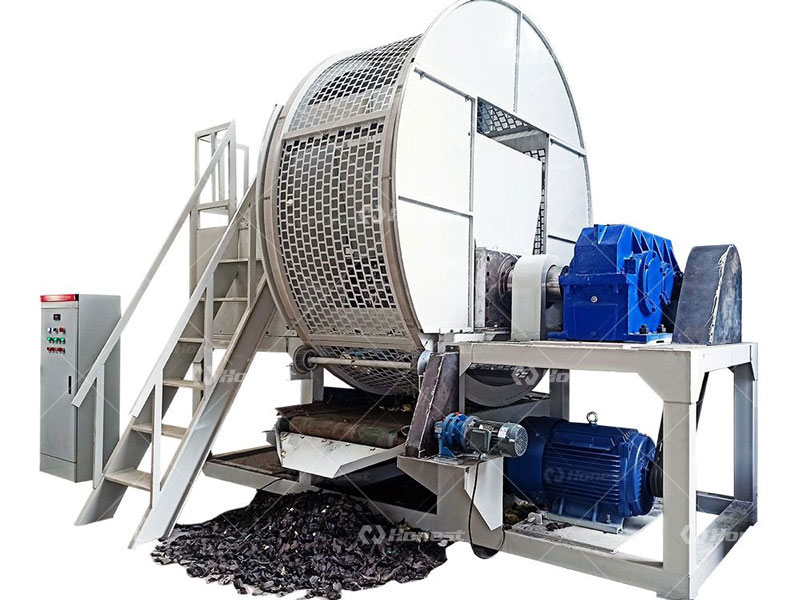
Why Rubber Needs to Be Shredded
Rubber shredding is an essential step in rubber recycling and reuse. The main reasons for shredding industrial rubber include:
-
Volume reduction: Large rubber products are bulky and hard to transport or store. Shredding significantly reduces size.
-
Preparation for recycling: Shredded rubber is easier to process in downstream grinding, granulation, or devulcanization systems.
-
Environmental protection: Prevents illegal dumping and landfill accumulation of non-biodegradable rubber.
-
Improved handling efficiency: Smaller rubber pieces are easier to separate, clean, and reuse.
Using an industrial rubber shredder machine improves recycling efficiency and supports sustainable waste management.
Key Features of an Industrial Rubber Shredder Machine
An industrial rubber shredder machine is specifically designed to handle tough, elastic, and wear-resistant rubber materials. Its main features include:
-
Heavy-duty cutting system
Equipped with high-strength alloy steel blades to shred thick and reinforced rubber. -
High torque and low-speed operation
Ensures stable shredding of tires and dense rubber products without excessive wear. -
Strong structural design
Rigid frame and reinforced shafts for long-term industrial use. -
Adjustable output size
Screen systems or blade spacing allow control of shredded rubber size. -
Safe and reliable operation
Includes overload protection, emergency stop, and automatic reversal functions.
These features make industrial rubber shredders suitable for continuous and high-capacity recycling operations.
How to Choose the Right Industrial Rubber Shredder
Selecting the correct industrial rubber shredder machine depends on several key factors:
-
Type of rubber material
Tires, rubber sheets, hoses, and industrial scrap require different blade structures. -
Required output size
Fine shredding or coarse shredding depends on downstream processing needs. -
Capacity requirements
Machines are available for small-scale workshops or large industrial recycling plants. -
Single-shaft or double-shaft design
Double-shaft shredders are often preferred for tires and heavy rubber waste. -
Maintenance and operating cost
Blade lifespan, energy consumption, and ease of maintenance should be evaluated.
Careful selection ensures stable performance and long-term cost efficiency.
Industrial Rubber Shredding Process
The rubber shredding process using an industrial rubber shredder machine typically includes:
-
Feeding
Waste rubber is loaded manually or via conveyor into the shredder. -
Primary Shredding
Rubber materials are torn and cut into smaller strips or blocks. -
Size Control
Screens or secondary shredders ensure uniform output size. -
Discharge
Shredded rubber is collected for further recycling or direct use.
This process is efficient, automated, and suitable for continuous operation.
Applications of Shredded Rubber Materials
Shredded rubber produced by an industrial rubber shredder machine has wide industrial applications:
-
Crumb rubber production for rubber flooring and sports surfaces
-
Fuel for cement kilns and power plants
-
Rubber-modified asphalt for road construction
-
Shock-absorbing and insulation materials
-
Raw material for regenerated rubber products
These applications help transform waste rubber into valuable secondary resources.
Industrial rubber shredder machine is essential equipment for modern rubber recycling operations. It enables efficient shredding of tough rubber waste, improves material reuse, and supports environmental sustainability. By choosing the right shredder based on material type, capacity, and output requirements, recycling businesses can achieve higher efficiency, lower costs, and long-term profitability.