


Get the latest price? We'll respond as soon as possible(within 12 hours) Fields marked with an asterisk * are required.

Blog
Heavy Duty Scrap Shredder Cost
2026-02-27 18:21:12
What Is a Heavy Duty Scrap Shredder
Heavy duty scrap shredder is an industrial-grade shredding machine designed to process large volumes of tough and bulky scrap materials. Unlike light or medium shredders, heavy duty scrap shredders feature reinforced shafts, high-torque motors, and wear-resistant cutting tools. They are built to operate continuously under extreme load conditions while maintaining stable performance.
Heavy duty scrap shredders are essential equipment in modern recycling and waste processing industries, where high efficiency and durability are critical.
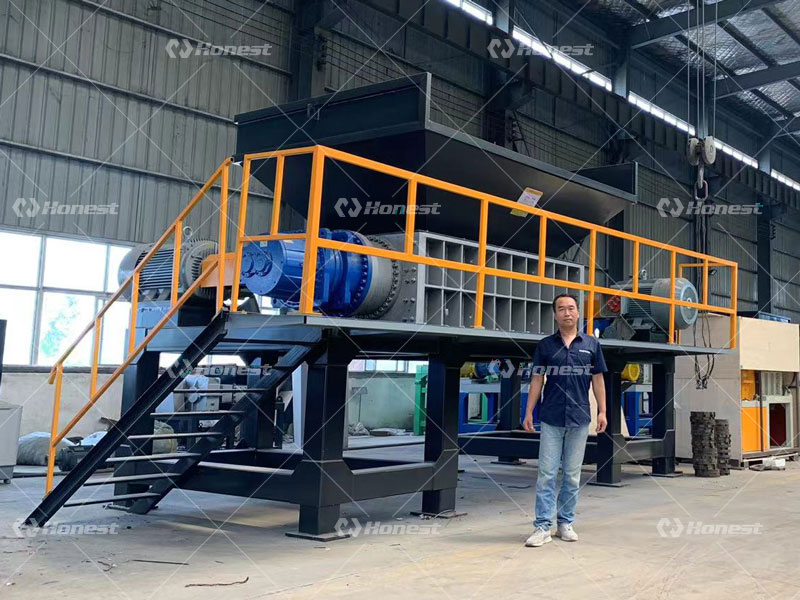
Applications of Heavy Duty Scrap Shredder
Heavy duty scrap shredders are widely used across multiple industries due to their versatility and strong crushing capability. Common application fields include:
-
Metal recycling plants for steel, aluminum, and mixed metal scrap
-
Automobile recycling and end-of-life vehicle dismantling
-
Electronic waste recycling (WEEE)
-
Construction and demolition waste processing
-
Industrial waste management facilities
-
Foundries and metal smelting preparation lines
These machines reduce scrap size, improve material density, and prepare scrap for downstream separation or melting processes.
Heavy Duty Scrap Shredder Cost Overview
The heavy duty scrap shredder cost varies significantly depending on machine configuration and application requirements. In general, the cost range is higher than standard shredders due to the advanced engineering and materials involved. Buyers should view the cost as a long-term investment rather than a simple equipment expense.
Understanding what drives the cost helps businesses make informed purchasing decisions.
Key Factors Affecting Heavy Duty Scrap Shredder Cost
The heavy duty scrap shredder cost mainly reflects the following aspects:
-
Machine size and processing capacity
Higher throughput capacity requires stronger structures and larger drive systems, increasing cost. -
Motor power and drive system
High-torque motors, gearboxes, and hydraulic systems significantly affect pricing. -
Blade material and design
Alloy steel or hardened blades with longer service life add to manufacturing costs. -
Machine structure and durability
Reinforced frames, thick steel plates, and wear-resistant liners increase reliability and cost. -
Automation and control system
PLC control, overload protection, and intelligent monitoring raise efficiency and overall price. -
Customization requirements
Custom feed hoppers, discharge systems, or material-specific designs impact final cost.
Advantages of Heavy Duty Scrap Shredder
Despite the higher initial heavy duty scrap shredder cost, the advantages are substantial:
-
High crushing efficiency for large and hard scrap materials
-
Long service life with reduced downtime
-
Stable operation under continuous heavy load
-
Lower maintenance frequency compared to standard shredders
-
Improved downstream processing efficiency
-
Strong adaptability to different scrap types
These benefits result in lower operating costs and higher overall productivity over time.
Heavy Duty Scrap Shredder Cost vs Long-Term Value
When evaluating heavy duty scrap shredder cost, it is important to consider total lifecycle value. A high-quality shredder reduces labor costs, minimizes equipment failure, and increases material recovery rates. For recycling plants handling large volumes of scrap, the return on investment is often achieved faster through stable operation and consistent output.
How to Choose the Right Heavy Duty Scrap Shredder
Selecting the right machine requires balancing cost with performance. Buyers should assess material type, processing volume, operating hours, and future expansion plans. Choosing a reliable supplier with strong technical support ensures the heavy duty scrap shredder delivers maximum value over its operational lifespan.
The heavy duty scrap shredder cost is influenced by capacity, design, materials, and automation level. While the initial investment is higher, the long-term advantages in durability, efficiency, and productivity make it an essential solution for industrial-scale scrap recycling operations.