


Get the latest price? We'll respond as soon as possible(within 12 hours) Fields marked with an asterisk * are required.

Blog
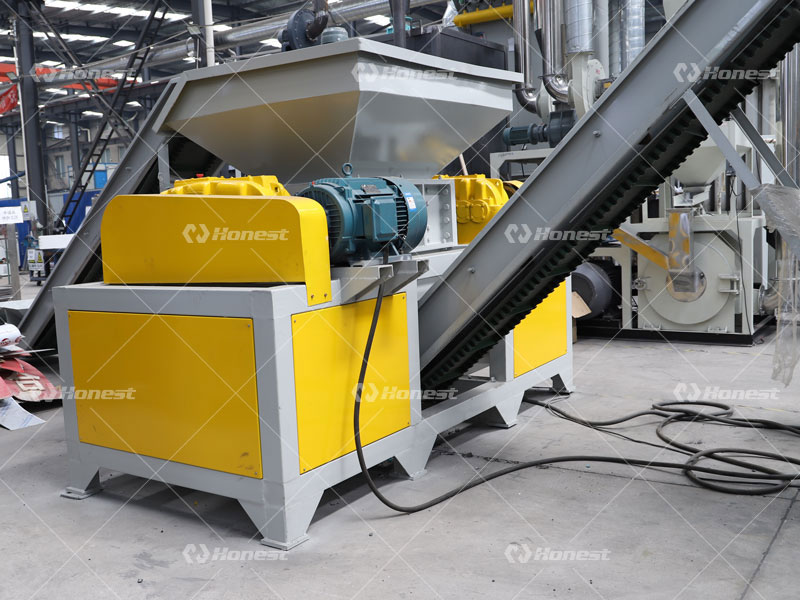
Aluminium plastic shredder
2026-01-19 11:21:22
Aluminium Plastic Shredder plays a crucial role in modern recycling industries, especially in lithium battery recycling, pharmaceutical packaging, food packaging, and composite material processing. Aluminium plastic materials are widely used because of their excellent barrier properties, but their composite structure makes recycling difficult. Shredding is the first and most important step to achieve efficient separation and reuse.
Why Aluminium Plastic Needs to Be Shredded
Aluminium plastic materials usually consist of thin aluminum foil bonded with plastic layers. Without shredding, these composite materials are hard to separate, transport, or process further. Using an aluminium plastic shredder offers several key benefits:
1.Improved Separation Efficiency
Shredding increases the surface area of materials, making downstream separation processes such as crushing, grinding, or electrostatic separation more effective.
2.Reduced Material Volume
Large aluminium plastic sheets or rolls are reduced into uniform sizes, lowering storage and transportation costs.
3.Protection of Downstream Equipment
Properly shredded materials prevent blockages and excessive wear in fine crushers, grinders, or separation machines.
4.Higher Recycling Value
Controlled shredding helps preserve aluminum purity and plastic quality, increasing the overall recycling value.
How to Choose the Right Aluminium Plastic Shredder
Selecting the right aluminium plastic shredder depends on material characteristics, capacity requirements, and production goals. Key selection factors include:
- Material Thickness and Structure
Different aluminium plastic composites vary in thickness and bonding strength. Choose a shredder with sufficient torque and cutting force. - Output Size Requirements
The shredder should produce a uniform output size suitable for subsequent crushing or separation stages. - Capacity and Throughput
Match the machine capacity with your production scale, whether for small recycling workshops or industrial-scale plants. - Blade Material and Design
High-strength alloy steel blades with wear resistance ensure stable operation and long service life. - Automation and Safety Features
Look for overload protection, automatic reversal, and dust control systems for safe and efficient operation.
Working Principle of an Aluminium Plastic Shredder
The working principle of an aluminium plastic shredder is based on mechanical shearing and tearing. The process typically includes the following steps:
-
Materials are fed into the shredding chamber through a hopper.
-
Rotating shafts equipped with sharp blades apply cutting, tearing, and squeezing forces.
-
Aluminium plastic composites are torn into smaller, uniform fragments.
-
A screen or controlled discharge system ensures consistent particle size before output.
This low-speed, high-torque shredding method minimizes dust generation and reduces heat buildup, preserving material quality.
Condition of Shredded Aluminium Plastic Materials
After shredding, aluminium plastic materials are transformed into loose, evenly sized flakes or strips. The shredded output has several characteristics:
-
Uniform particle size, suitable for further crushing or grinding
-
Improved liberation between aluminum and plastic layers
-
Easy handling and conveying for automated recycling lines
The shredded material is ideal for downstream separation processes.
Subsequent Applications of Shredded Aluminium Plastic
Once processed by an aluminium plastic shredder, the material can be used in various recycling applications:
1.Aluminum Recovery
Aluminum can be separated and remelted for reuse in metal manufacturing.
2.Plastic Reprocessing
Plastic components can be granulated and reused in industrial plastic products.
3.Lithium Battery Recycling
Shredded aluminium plastic casings are essential for efficient battery material recovery.
4.Energy and Composite Applications
Some shredded plastics can be used as fuel or filler materials in composite products.
Aluminium Plastic Shredder is an essential machine for efficient aluminium plastic recycling. By reducing size, improving separation efficiency, and protecting downstream equipment, shredding significantly enhances recycling value. Choosing the right shredder based on material properties, capacity, and safety features ensures stable operation and long-term profitability. With increasing demand for sustainable recycling solutions, aluminium plastic shredders have become indispensable equipment in modern recycling plants.